PRACTICAL GUIDE · EVIDENCE GRADED
Recovery & Pain
Recover faster by matching the tool to the tissue, load and problem.
Pain is influenced by tissue, nervous system, sleep, stress and workload. The answer is usually progressive capacity—not endless rest or one recovery gadget.
HOW TO USE THIS PAGE
Use this recovery & pain guide in three passes.
- 01Check the baseline
Start with the signals and tests most likely to change the plan.
- 02Choose the lowest-friction action
Work through foundations before adding supplements, devices or clinical options.
- 03Set a review point
Decide what success means, how long to test and when to stop or escalate.
TESTING & SIGNALS
Know your baseline
Movement and load assessment
Identify aggravating patterns and recent changes.
Full details, serving & safety →Clinical exam
Needed for trauma, weakness or persistent symptoms.
Full details, serving & safety →Imaging only when indicated
Findings do not always equal the pain source.
Full details, serving & safety →TESTING LAB / FOR THIS GOAL
Tests that can change the plan.
These are the most relevant decision guides for recovery & pain. Each opens a full passport with who it fits, preparation, limitations, sex and life-stage context, cadence, next steps and direct scientific sources.Complete blood count
The first look at red cells, white cells and platelets.
Useful in contextHigh-sensitivity CRP
A nonspecific inflammation signal that can refine cardiovascular context—when measured under stable conditions.
Useful in contextB12, folate + vitamin D
Test nutrients when risk, symptoms or a treatment decision makes the result useful.
FOUNDATIONS
Start with what works

Sleep and adequate protein
Core requirements for adaptation.
Full details, serving & safety →Load management
Adjust volume and intensity without abandoning movement.
Full details, serving & safety →Progressive rehabilitation
Rebuild tolerance step by step.
Full details, serving & safety →TARGETED SUPPORT
Supplements worth understanding
Creatine
Supports training capacity and recovery.
Full details, serving & safety →Curcumin
May modestly reduce some inflammatory pain; interactions matter.
Full details, serving & safety →Collagen or gelatin
Early evidence for select connective-tissue contexts.
Full details, serving & safety →WITH A QUALIFIED CLINICIAN
Medications & clinical options

Physical therapy
Individualized loading and movement care.
Full details, serving & safety →Anti-inflammatory or analgesic medication
Short- or long-term use requires risk review.
Full details, serving & safety →Injections or regenerative procedures
Evidence and appropriateness vary widely.
Full details, serving & safety →LOW-FRICTION ACTIONS
What you can do at home
Heat for stiffness
Often useful before gentle movement.
Full details, serving & safety →Cold for short-term symptom relief
Useful when it improves comfort; not mandatory for recovery.
Full details, serving & safety →Massage or self-massage
May reduce soreness temporarily.
Full details, serving & safety →BUILD CAPACITY
Movement, mobility & stretches
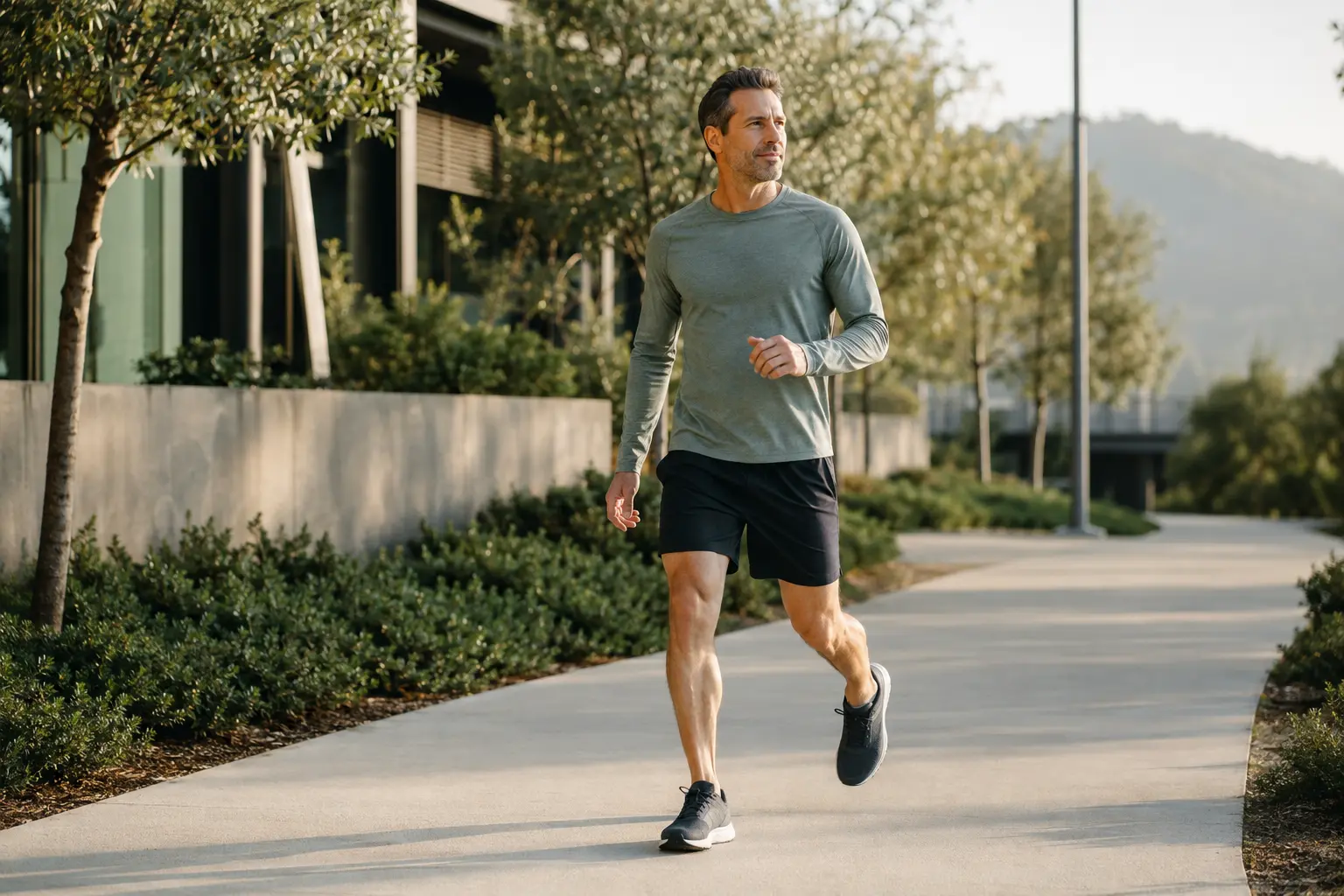
Pain-guided range of motion
Use tolerable motion rather than forcing.
Full details, serving & safety →Isometrics
Can maintain output and sometimes reduce pain.
Full details, serving & safety →Gradual strength progression
Build capacity beyond daily demands.
Full details, serving & safety →07 / GEAR WORTH CONSIDERING
Tools for this goal—only where they fit.
These are not required. Each link opens a full evidence review, protocol, buying specification list, safety screen and transparent product shortlist.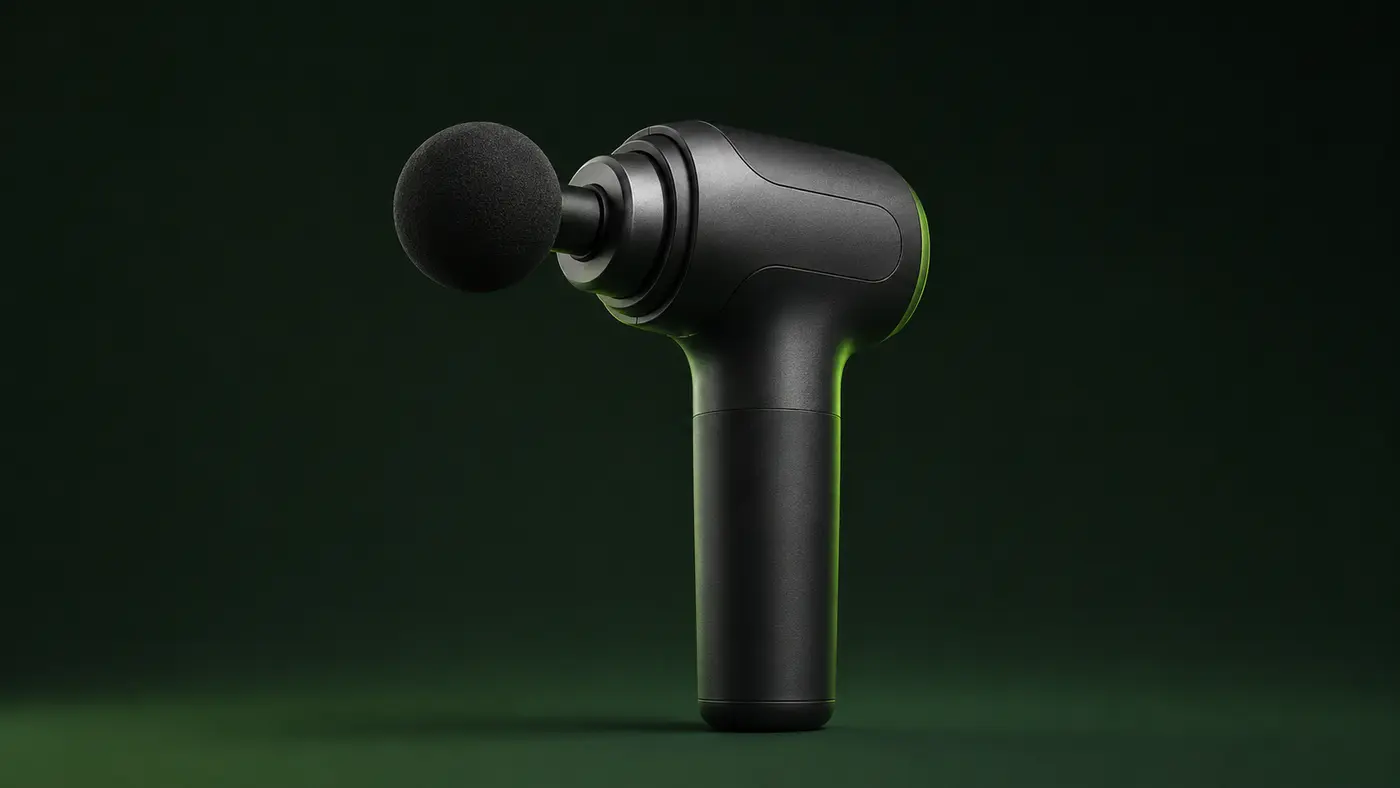
Massage guns
A short-term mobility and comfort tool—not tissue remodeling.
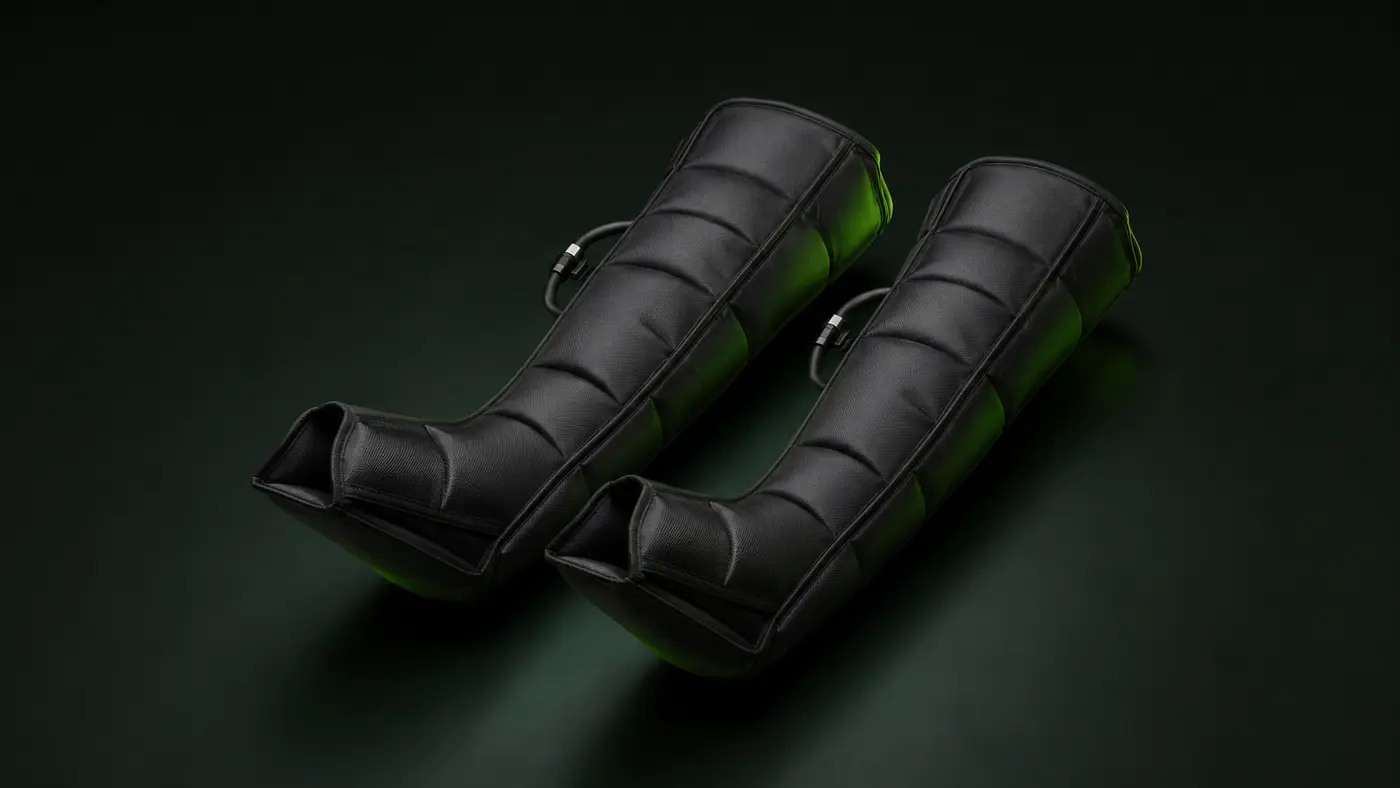
Compression boots
Excellent ritual. Modest and context-dependent physiology.
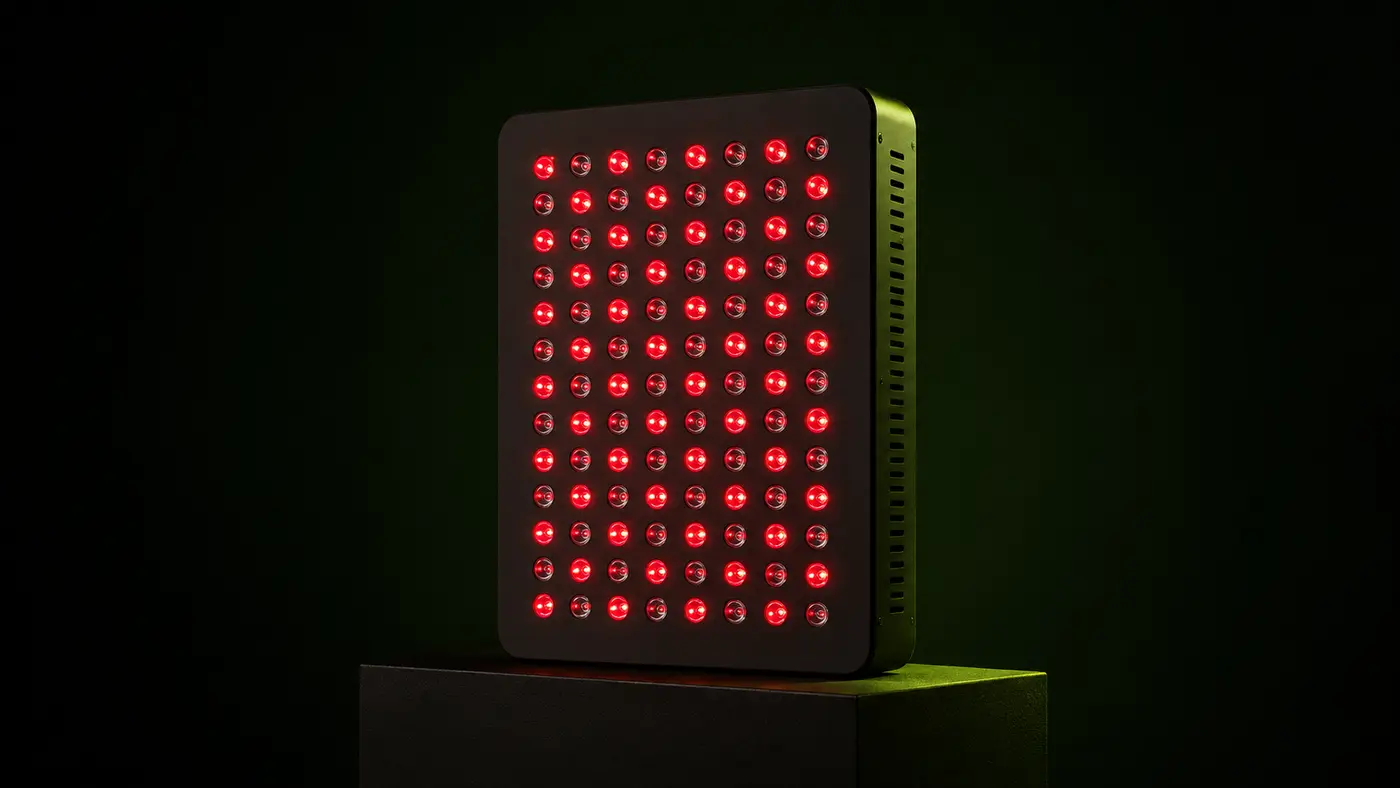
Red light
Dose the tissue—not the marketing claim.
08 / SCIENTIFIC FOUNDATION
Research behind the roadmap.
We prioritize systematic reviews, meta-analyses, major randomized trials and recognized clinical guidelines. Every source links directly to the original scientific record.Exercise Therapy for Chronic Low Back Pain
Found moderate-certainty evidence that exercise probably improves chronic low-back pain compared with no treatment or usual care.
View original research ↗Cold-Water Immersion and Health
Reported time-dependent effects across inflammation, stress and wellbeing, while highlighting heterogeneity and limits in the evidence.
View original research ↗A citation supports only the specific conclusion described above—not every possible use of an intervention. Evidence is reviewed and updated as stronger research becomes available.
BEFORE YOU EXPERIMENT
Use context, not hype.
- Trauma with deformity, new weakness, bowel/bladder changes, fever or unexplained night pain needs prompt care.
- Pain relief does not always mean tissue readiness—progress load deliberately.
THE MODERN BIO BRIEF