PRACTICAL GUIDE · EVIDENCE GRADED
Stress & Mood
Train the nervous system, protect connection and know when to seek care.
Mood and resilience emerge from biology, circumstances, relationships and learned patterns. Lifestyle matters, but it should complement—not replace—appropriate mental healthcare.
HOW TO USE THIS PAGE
Use this stress & mood guide in three passes.
- 01Check the baseline
Start with the signals and tests most likely to change the plan.
- 02Choose the lowest-friction action
Work through foundations before adding supplements, devices or clinical options.
- 03Set a review point
Decide what success means, how long to test and when to stop or escalate.
TESTING & SIGNALS
Know your baseline
Validated symptom screening
Track severity and change over time.
Full details, serving & safety →Sleep, thyroid and medication review
Rule out common contributors.
Full details, serving & safety →HRV trends
A context signal, not a mental-health diagnosis.
Full details, serving & safety →TESTING LAB / FOR THIS GOAL
Tests that can change the plan.
These are the most relevant decision guides for stress & mood. Each opens a full passport with who it fits, preparation, limitations, sex and life-stage context, cadence, next steps and direct scientific sources.Thyroid testing
Start with the thyroid feedback loop; expand only when symptoms and results justify it.
Useful in contextB12, folate + vitamin D
Test nutrients when risk, symptoms or a treatment decision makes the result useful.
Standard of careHome sleep apnea test
A convenient diagnostic pathway for the right adult—not a general sleep-quality test.
FOUNDATIONS
Start with what works

Regular exercise
Meaningful evidence for mood and anxiety symptoms.
Full details, serving & safety →Consistent sleep
Protect timing and duration.
Full details, serving & safety →Social connection
Belonging and support are core health inputs.
Full details, serving & safety →TARGETED SUPPORT
Supplements worth understanding
Omega-3s
Some evidence as an adjunct for select mood conditions.
Full details, serving & safety →Magnesium
May help if intake is low; not a replacement for care.
Full details, serving & safety →Saffron
Early-to-moderate evidence for some mild mood symptoms.
Full details, serving & safety →WITH A QUALIFIED CLINICIAN
Medications & clinical options

Psychotherapy
Evidence-based modalities can build durable skills.
Full details, serving & safety →Prescription medication
Often effective when appropriately selected and monitored.
Full details, serving & safety →Advanced treatments
TMS, ketamine-based care and others are for selected cases.
Full details, serving & safety →LOW-FRICTION ACTIONS
What you can do at home
Physiological sigh or longer exhale
A quick downshift for acute arousal.
Full details, serving & safety →Write the next controllable action
Convert rumination into a small step.
Full details, serving & safety →Protect news and screen boundaries
Reduce repeated threat exposure.
Full details, serving & safety →BUILD CAPACITY
Movement, mobility & stretches
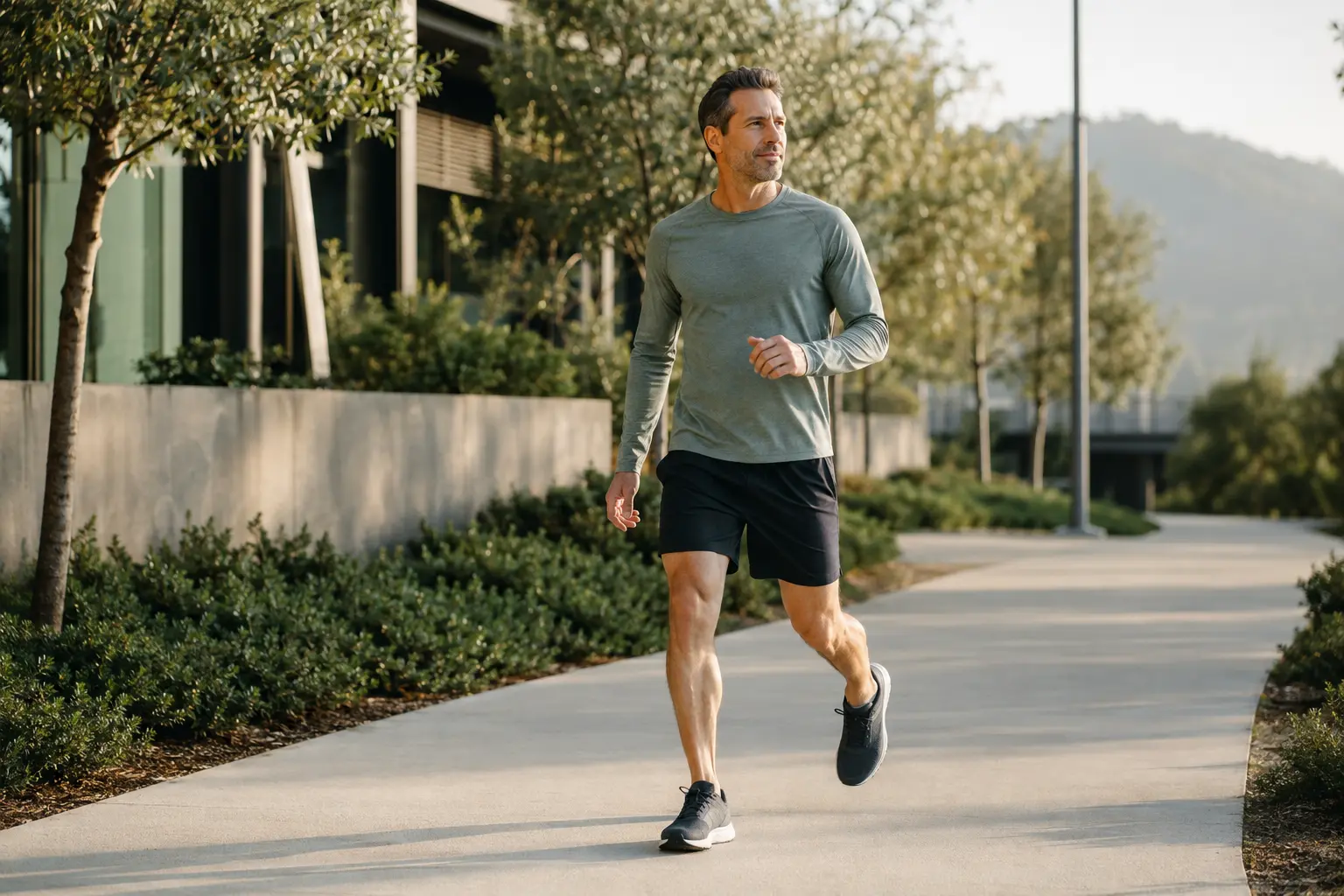
Outdoor walk
Combines light, movement and environmental change.
Full details, serving & safety →Rhythmic aerobic exercise
Choose an intensity that leaves you better, not depleted.
Full details, serving & safety →Yoga or mobility flow
May reduce tension and improve body awareness.
Full details, serving & safety →07 / GEAR WORTH CONSIDERING
Tools for this goal—only where they fit.
These are not required. Each link opens a full evidence review, protocol, buying specification list, safety screen and transparent product shortlist.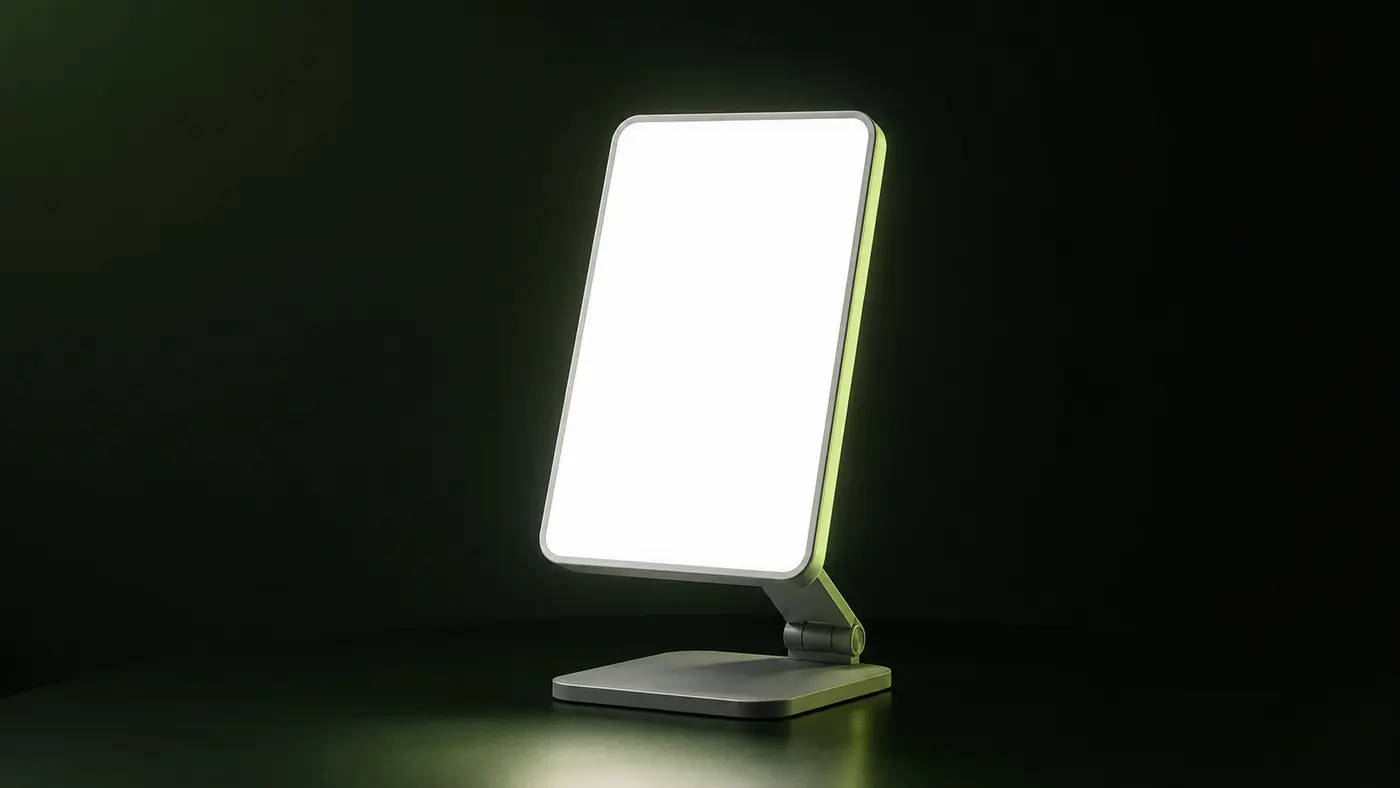
Bright light
The useful number is lux at your actual sitting distance.
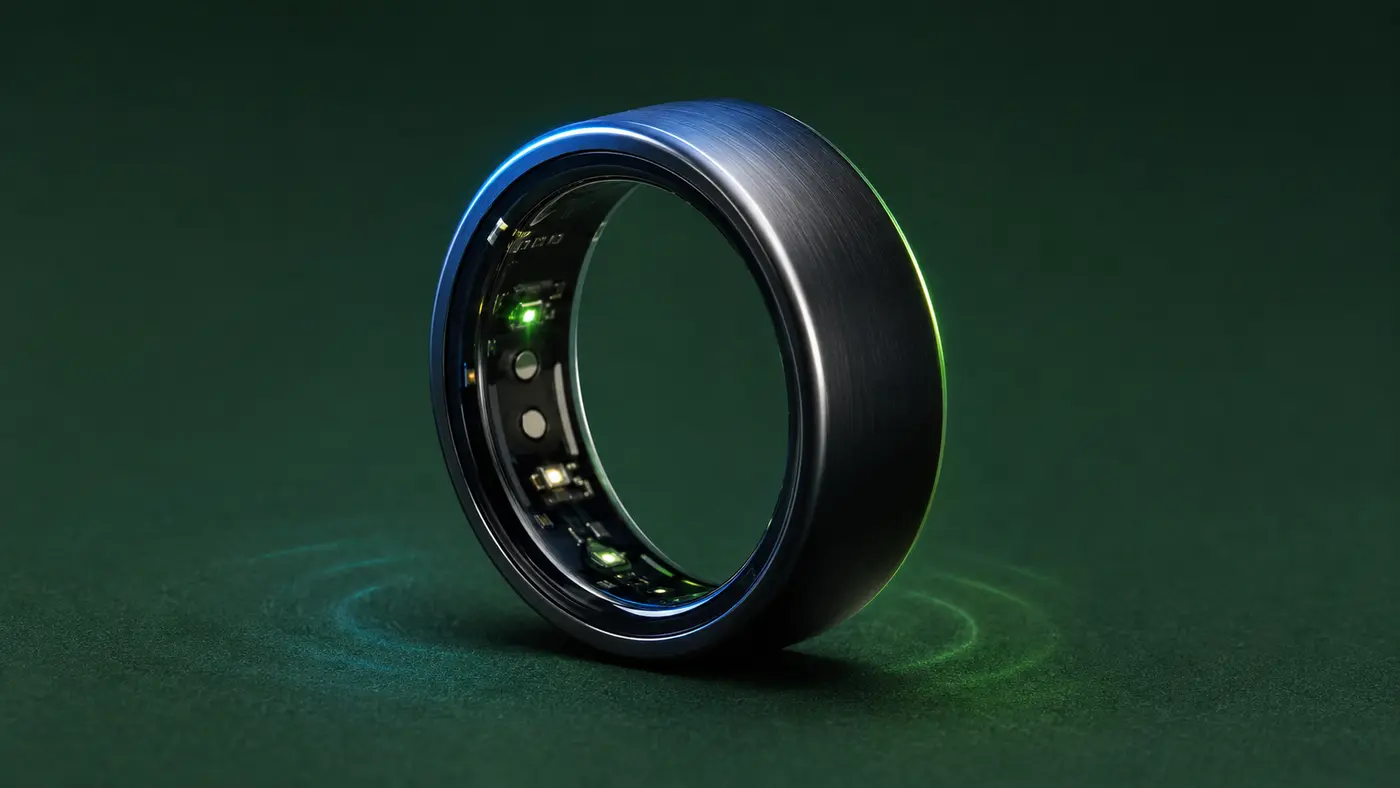
Sleep wearables
Trust trends. Distrust a single sleep-stage score.
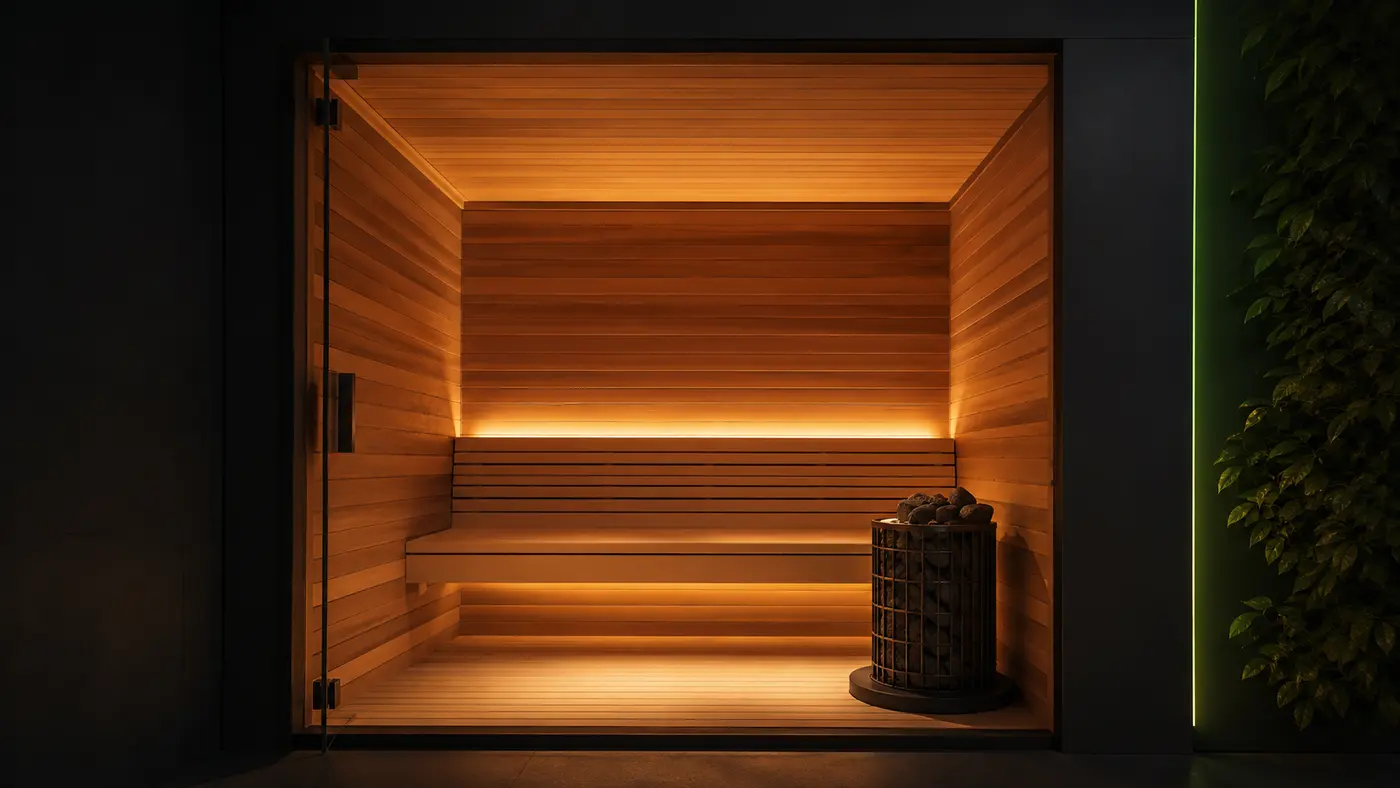
Sauna
Heat adaptation is real. “Detox” is the distraction.
08 / SCIENTIFIC FOUNDATION
Research behind the roadmap.
We prioritize systematic reviews, meta-analyses, major randomized trials and recognized clinical guidelines. Every source links directly to the original scientific record.Effect of Exercise for Depression
Found meaningful antidepressant effects across several exercise modes, with walking or jogging, yoga and strength training among effective approaches.
View original research ↗Physical Activity for Depression, Anxiety and Distress
Found physical activity improves symptoms across diverse adult populations, although program type and evidence certainty vary.
View original research ↗A citation supports only the specific conclusion described above—not every possible use of an intervention. Evidence is reviewed and updated as stronger research becomes available.
BEFORE YOU EXPERIMENT
Use context, not hype.
- Thoughts of self-harm, mania, psychosis or inability to stay safe require immediate professional help.
- Supplements can interact with psychiatric medication; do not stop prescriptions abruptly.
THE MODERN BIO BRIEF