63/100 · weighted toward human outcomes
GEAR LAB / MEASUREMENT / SLEEP & RECOVERY WEARABLES
ModerateLow complexity
Sleep & recovery wearables
Trust trends. Distrust a single sleep-stage score.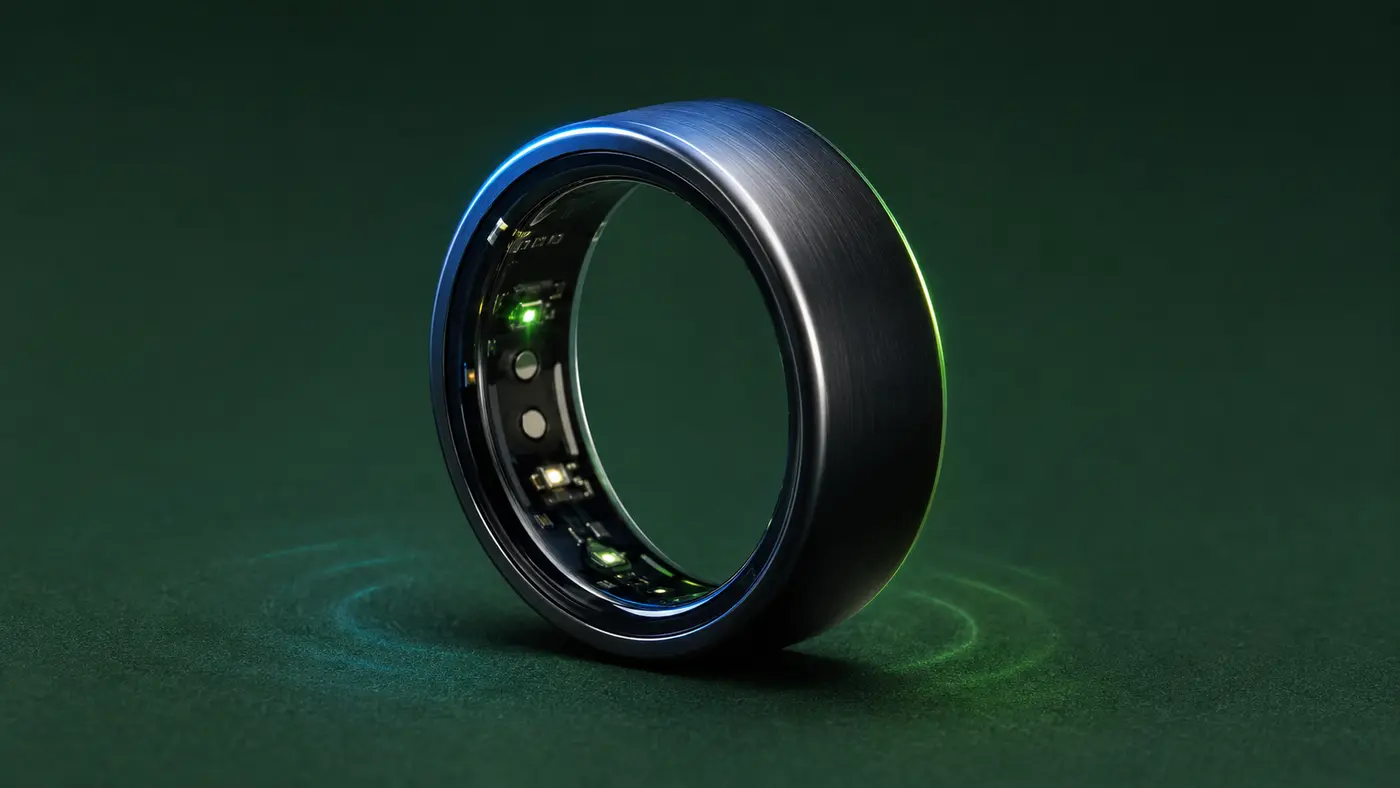
THE SHORT ANSWER76/100MODERN BIO FIT SCORE
Consumer wearables are useful for timing, duration, resting heart rate and long-term pattern awareness. Sleep stages, readiness and calorie estimates are algorithmic estimates—not diagnoses. They can motivate helpful habits or produce 'orthosomnia,' where anxiety about the score worsens sleep.
HOW TO USE THIS PAGE
Use the guide before you use the checkout button.
- 01Check the evidence
See which outcomes are supported and where the marketing runs ahead of the data.
- 02Try the protocol
Understand dose, frequency, setup and what you would actually track.
- 03Compare the real cost
Review specifications, safety, maintenance and the shortest responsible shortlist.
THE DECISION PASSPORT
See the whole tradeoff.
LAST REVIEWED
JULY 2026
Does it change a meaningful decision or repeated behavior?
Benefit relative to total ownership cost
Setup, time, comfort and maintenance burden
2 shortlisted paths · 4 direct sources
See recommendations ↓The Modern Bio Fit Score is an editorial decision aid, not a validated clinical scale. A low general score can still hide a strong use for a narrow medical indication.
01 / BENEFITS, GRADED
What the evidence actually supports.
Sleep timing and consistency
Wearables can make bedtime, wake time and routine disruption visible across weeks. They are strongest as pattern detectors.
Sleep-stage accuracy
Algorithms infer stages from movement and physiology. They do not reproduce polysomnography and can misclassify quiet wake as sleep.
Training load and recovery
Resting heart rate, HRV and strain trends can support reflection, but readiness scores have not been shown to dictate a universally superior training plan.
Sleep-disorder detection
Some regulated features can flag risk, but a consumer device cannot rule out sleep apnea, insomnia or arrhythmia.
THE EVIDENCE BOUNDARY
What has not been established.
- Diagnostic sleep stages
- A universal optimal HRV
- That a readiness score should overrule symptoms
- That wearing the device improves health by itself
02 / PRACTICAL PROTOCOL
Start low. Change one variable. Keep the signal.
Do not change behavior; learn normal timing, resting heart rate and variability.
Test caffeine cutoff, alcohol removal, consistent wake time or earlier dinner—not all at once.
Prioritize duration, timing and how you feel over one stage score.
If tracking makes sleep more effortful, remove the device for at least one week.
YOUR MINI-DASHBOARD
Track only what can change the decision.
- Bed/wake timing
- Total sleep trend
- Resting heart rate and HRV trend
- Subjective energy and mood
- Alcohol, illness, travel and training context
03 / BUYING GUIDE
The specifications that matter.
- Comfort you can tolerate every night
- Battery that survives your routine
- Transparent membership cost
- Data export and privacy controls
- Regulatory status for any medical feature
- A form factor that does not change how you sleep
- People optimizing consistency
- Athletes relating load to recovery
- Anyone who can use data without chasing perfection
- Scores increase anxiety or compulsive behavior
- You need a sleep-apnea diagnosis
- The subscription will not be worth the one or two behaviors you can change
04 / MODERN BIO SELECT
The shortlist—not the shelf.
We rank for fit, evidence, usable specifications, ownership cost and safety. No company can buy a position. Prices are snapshots and may change; always confirm current terms on the seller or facility site.
BEST SLEEP-FIRST01
Oura Ring 5
From $399 + membershipA low-friction form factor for sleep timing and long-term physiology trends.
- BEST FOR
- Sleep, recovery and minimal-screen tracking
- WHY IT MADE THE LIST
- 6–9-day stated battery
- Ring form factor
- Mature sleep and trend interface
- WATCH FOR
- Membership cost and sleep stages remain estimates; sizing matters.
BEST TRAINING-FIRST02
WHOOP 5.0 / Peak
$239/yearThe stronger fit when training load and recovery behavior are the main questions.
- BEST FOR
- Athletes who value coaching loops
- WHY IT MADE THE LIST
- Device included with membership
- Training strain and recovery focus
- Long battery positioning
- WATCH FOR
- Ongoing subscription and score-driven overreaction; compare trends with performance.
Commerce note: outbound product links may later become affiliate links. That can support this publication, but it will never change the verdict, evidence grade or order.
05 / SAFETY & STOP RULES
Know when the experiment ends.
- 01
Loud snoring, witnessed pauses, gasping, marked daytime sleepiness or resistant hypertension deserves clinical screening even with a reassuring score.
- 02
Do not treat an algorithm as clearance to train through illness, chest symptoms or severe fatigue.
EDUCATIONAL, NOT PERSONAL MEDICAL GUIDANCE
Age, pregnancy, diagnoses, medications, implanted devices and the exact product can change risk. Product marketing is not a substitute for instructions from a qualified clinician who knows your history.
06 / SOURCE PACK
Open the record yourself.
01
Clinical position statementAASM position on consumer sleep technology
↗02Living umbrella review · 2024Accuracy of consumer wearable health measures
↗03Manufacturer specificationOura Ring 5 specifications
↗04Manufacturer pricing · 2026WHOOP membership pricing
↗A source supports only the conclusion described in this guide—not every claim attached to the technology. Manufacturer pages are used for specifications, price and warranty, never as sole proof of a health outcome.
THE MODERN BIO BRIEF