42/100 · weighted toward human outcomes
GEAR LAB / LIGHT / BLUE-LIGHT BLOCKING GLASSES
MixedLow complexity
Blue-light blocking glasses
A circadian tool—not digital armor for your eyes.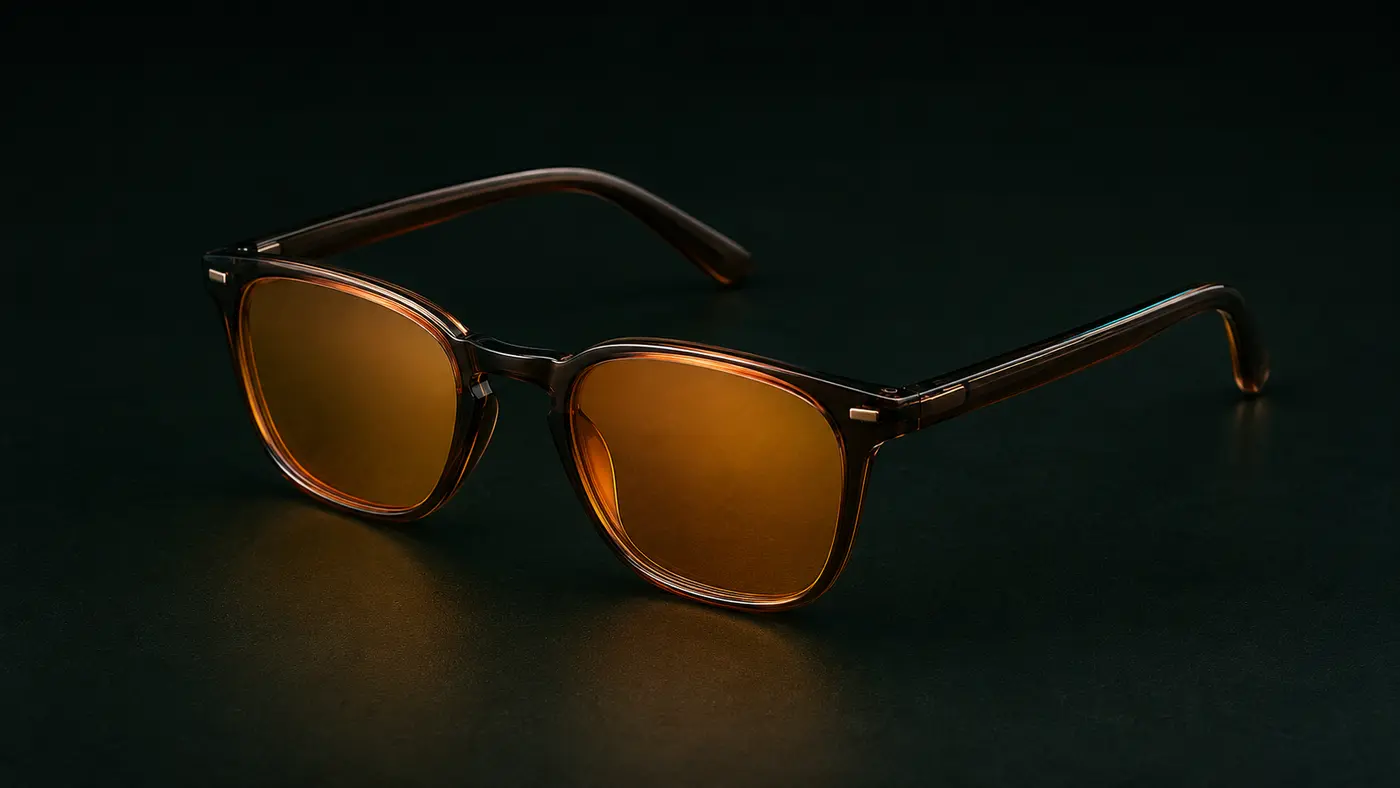
THE SHORT ANSWER68/100MODERN BIO FIT SCORE
Clear blue-filtering lenses have not shown a meaningful short-term advantage for computer eye strain, visual performance or retinal protection. Dark amber or red lenses can reduce short-wavelength evening light exposure, but sleep benefits remain less certain than marketing implies. Dimming the environment is the free first-line move.
HOW TO USE THIS PAGE
Use the guide before you use the checkout button.
- 01Check the evidence
See which outcomes are supported and where the marketing runs ahead of the data.
- 02Try the protocol
Understand dose, frequency, setup and what you would actually track.
- 03Compare the real cost
Review specifications, safety, maintenance and the shortest responsible shortlist.
THE DECISION PASSPORT
See the whole tradeoff.
LAST REVIEWED
JULY 2026
Does it change a meaningful decision or repeated behavior?
Benefit relative to total ownership cost
Setup, time, comfort and maintenance burden
2 shortlisted paths · 2 direct sources
See recommendations ↓The Modern Bio Fit Score is an editorial decision aid, not a validated clinical scale. A low general score can still hide a strong use for a narrow medical indication.
01 / BENEFITS, GRADED
What the evidence actually supports.
Computer eye strain
A Cochrane review of 17 randomized trials found little or no short-term advantage over non-filtering lenses. Breaks, blinking, prescription correction and screen ergonomics matter more.
Evening circadian protection
Dark amber/red lenses substantially reduce the short-wavelength light signal that can delay melatonin. Trials on actual sleep outcomes are small and inconsistent; fit and total room light matter.
Retinal protection
Clinical trials have not established macular protection from everyday screen use. Sunglasses with verified UV protection address a different wavelength and exposure problem.
THE EVIDENCE BOUNDARY
What has not been established.
- Prevention of macular degeneration from screens
- A cure for headaches
- That clear lenses materially improve sleep
- That all orange lenses block the same spectrum
02 / PRACTICAL PROTOCOL
Start low. Change one variable. Keep the signal.
Lower room lights, use warm display settings and keep bright sources out of the direct visual field.
Choose amber/red lenses with a published transmission curve if evening light cannot be controlled.
Bright morning light is useful for circadian timing; do not block it by default.
Compare seven consistent nights with and without glasses while keeping bedtime and caffeine stable.
YOUR MINI-DASHBOARD
Track only what can change the decision.
- Sleep onset estimate
- Wake time consistency
- Evening light environment
- Morning alertness
- Whether lenses distort color or create trip hazards
03 / BUYING GUIDE
The specifications that matter.
- Published spectral-transmission graph
- Dark amber/red lens for night use—not a nearly clear tint
- Comfort over prescription eyewear
- Full side coverage if the room stays bright
- Return policy that permits a real sleep trial
- Shift workers controlling light at unusual hours
- People who cannot dim a shared evening environment
- Travel across time zones as part of a larger light plan
- The goal is ordinary computer eye strain
- Color accuracy or night driving is required
- You can simply dim lights and put the screen away
04 / MODERN BIO SELECT
The shortlist—not the shelf.
We rank for fit, evidence, usable specifications, ownership cost and safety. No company can buy a position. Prices are snapshots and may change; always confirm current terms on the seller or facility site.
BEST VALUE01
Ocushield Night Amber
$53–$64A reasonable night-only experiment when light cannot be controlled.
- BEST FOR
- Evening screens and shared bright rooms
- WHY IT MADE THE LIST
- Dark amber lens
- Clear night-use positioning
- Accessible return-on-experiment cost
- WATCH FOR
- The brand's eye-protection claims go beyond what clinical trials establish.
BEST FREE OPTION02
Environmental dimming
$0Our actual first choice: reduce the source before buying a filter.
- BEST FOR
- Most people with a normal evening routine
- WHY IT MADE THE LIST
- Controls all bright light, not only the screen
- No lens distortion
- Pairs with a consistent wake time
- WATCH FOR
- Warm color temperature does not compensate for a very bright screen held close to the face.
Commerce note: outbound product links may later become affiliate links. That can support this publication, but it will never change the verdict, evidence grade or order.
05 / SAFETY & STOP RULES
Know when the experiment ends.
- 01
Do not drive or navigate stairs in deeply tinted lenses if color and contrast are impaired.
- 02
Persistent eye pain, double vision, flashes, new floaters or vision loss needs eye care—not glasses sold online.
EDUCATIONAL, NOT PERSONAL MEDICAL GUIDANCE
Age, pregnancy, diagnoses, medications, implanted devices and the exact product can change risk. Product marketing is not a substitute for instructions from a qualified clinician who knows your history.
06 / SOURCE PACK
Open the record yourself.
01
Cochrane systematic review · 2023Blue-light filtering spectacle lenses
↗02Manufacturer specificationOcushield Night product specifications
↗A source supports only the conclusion described in this guide—not every claim attached to the technology. Manufacturer pages are used for specifications, price and warranty, never as sole proof of a health outcome.
THE MODERN BIO BRIEF