72/100 · weighted toward human outcomes
GEAR LAB / MEASUREMENT / OVER-THE-COUNTER CGMS
ModerateMedium complexity
Over-the-counter CGMs
Run a question-driven experiment—not permanent food surveillance.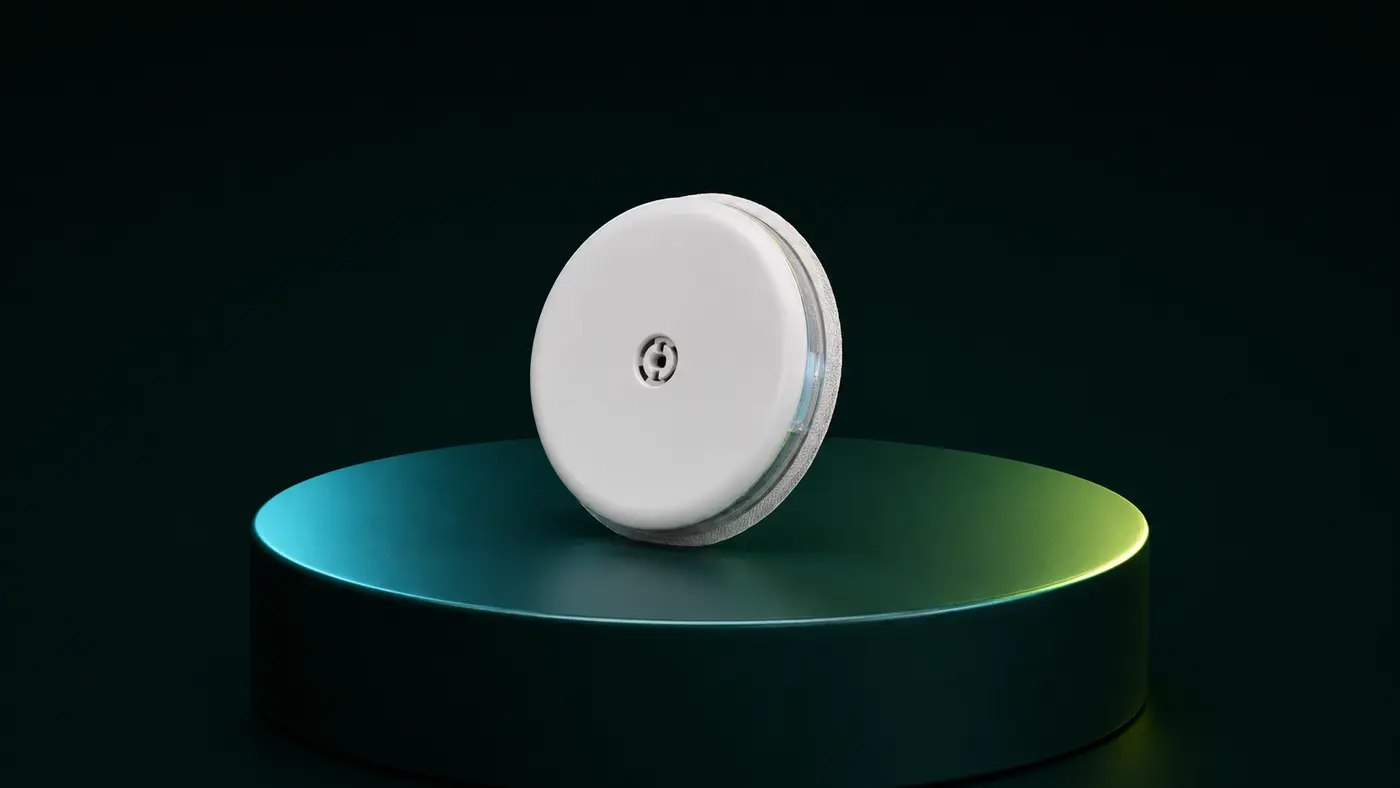
THE SHORT ANSWER78/100MODERN BIO FIT SCORE
OTC continuous glucose monitors measure interstitial glucose and can reveal personal responses to meals, exercise, sleep and timing. They are most useful when a user tests specific behaviors. A wellness CGM does not diagnose diabetes, replace laboratory testing or authorize medication changes.
HOW TO USE THIS PAGE
Use the guide before you use the checkout button.
- 01Check the evidence
See which outcomes are supported and where the marketing runs ahead of the data.
- 02Try the protocol
Understand dose, frequency, setup and what you would actually track.
- 03Compare the real cost
Review specifications, safety, maintenance and the shortest responsible shortlist.
THE DECISION PASSPORT
See the whole tradeoff.
LAST REVIEWED
JULY 2026
Does it change a meaningful decision or repeated behavior?
Benefit relative to total ownership cost
Setup, time, comfort and maintenance burden
2 shortlisted paths · 4 direct sources
See recommendations ↓The Modern Bio Fit Score is an editorial decision aid, not a validated clinical scale. A low general score can still hide a strong use for a narrow medical indication.
01 / BENEFITS, GRADED
What the evidence actually supports.
Behavior feedback
Immediate trends can make meal composition and post-meal activity effects visible, which may support behavior change in motivated users.
Diabetes screening
OTC wellness systems are not intended to diagnose disease. A1c, fasting glucose, symptoms and clinician-directed tests remain the standard.
Healthy-person optimization
A short experiment may uncover patterns, but evidence that long-term CGM use improves hard outcomes in people without diabetes is limited.
Medication decisions
Do not start, stop or dose medication from a consumer experiment. Product indications differ, especially for people using insulin or at risk of hypoglycemia.
THE EVIDENCE BOUNDARY
What has not been established.
- That every glucose rise is harmful
- A universal optimal glucose curve
- Diagnosis of diabetes
- That lower variability always improves health in a healthy person
02 / PRACTICAL PROTOCOL
Start low. Change one variable. Keep the signal.
Examples: the same breakfast with/without a walk; fiber/protein before carbohydrate; early versus late dinner.
Do not change everything on day one. Log sleep, exercise, meal timing and symptoms.
Single spikes are noisy. Interstitial readings lag blood glucose and sensor pressure can create false lows.
Keep the two behaviors that mattered; stop wearing the sensor unless there is a new question.
YOUR MINI-DASHBOARD
Track only what can change the decision.
- Meal composition and time
- 10–15-minute post-meal movement
- Sleep and training
- Repeated—not isolated—patterns
- Confirm unexpected lows/highs according to product instructions
03 / BUYING GUIDE
The specifications that matter.
- FDA-cleared OTC indication matches the user
- Phone compatibility
- Sensor wear duration and replacement policy
- Transparent subscription terms
- Data export/integration if needed
- Clear alert and confirmatory-testing instructions
- Adults not using insulin who have a defined nutrition question
- People willing to repeat tests instead of reacting to one meal
- Clinician-supported cardiometabolic behavior change
- You have a current or prior eating disorder and the data may intensify restriction
- You use insulin or need real-time hypoglycemia alarms outside the product label
- You plan to label normal foods 'bad' from one response
04 / MODERN BIO SELECT
The shortlist—not the shelf.
We rank for fit, evidence, usable specifications, ownership cost and safety. No company can buy a position. Prices are snapshots and may change; always confirm current terms on the seller or facility site.
BEST SHORT EXPERIMENT01
Lingo by Abbott
$54 / 14 days; $249 / 12 weeksThe clearest low-commitment entry for food-and-activity experiments.
- BEST FOR
- Healthy-adult learning loops
- WHY IT MADE THE LIST
- 14-day sensors
- Minute-by-minute data
- No prescription for eligible adults
- WATCH FOR
- For adults 18+ not on insulin; not intended for diagnosis or unsupervised medical action.
BEST MONTHLY02
Stelo by Dexcom
About $99 one-time / $89 subscriptionA straightforward month of glucose trends with an FDA-cleared OTC pathway.
- BEST FOR
- Longer behavior experiments
- WHY IT MADE THE LIST
- Two sensors per monthly pack
- About 15 days per sensor
- OTC integrated CGM
- WATCH FOR
- Check the current age/insulin indication; sensor data still requires context.
Commerce note: outbound product links may later become affiliate links. That can support this publication, but it will never change the verdict, evidence grade or order.
05 / SAFETY & STOP RULES
Know when the experiment ends.
- 01
Follow the exact current label; Stelo and Lingo indications are not identical and can change.
- 02
Symptoms override a surprising sensor value. Confirm as directed and seek care for concerning symptoms.
- 03
Do not use wellness data to make medication decisions or diagnose diabetes.
EDUCATIONAL, NOT PERSONAL MEDICAL GUIDANCE
Age, pregnancy, diagnoses, medications, implanted devices and the exact product can change risk. Product marketing is not a substitute for instructions from a qualified clinician who knows your history.
06 / SOURCE PACK
Open the record yourself.
01
FDA press announcement · 2024FDA first OTC CGM clearance
↗02Systematic review/meta-analysis · 2024CGM as a behavior-change tool
↗03Manufacturer label/pricingLingo plans, indication and terms
↗04Manufacturer labelStelo indication and product information
↗A source supports only the conclusion described in this guide—not every claim attached to the technology. Manufacturer pages are used for specifications, price and warranty, never as sole proof of a health outcome.
THE MODERN BIO BRIEF