
PRACTICAL GUIDE · EVIDENCE GRADED
Breathing & Lungs
Improve respiratory fitness, air quality and breathing mechanics.
Breathwork can change state and mechanics, but it does not cure lung disease. Fitness, clean air, smoking avoidance and proper diagnosis form the foundation.
HOW TO USE THIS PAGE
Use this breathing & lungs guide in three passes.
- 01Check the baseline
Start with the signals and tests most likely to change the plan.
- 02Choose the lowest-friction action
Work through foundations before adding supplements, devices or clinical options.
- 03Set a review point
Decide what success means, how long to test and when to stop or escalate.
TESTING & SIGNALS
Know your baseline
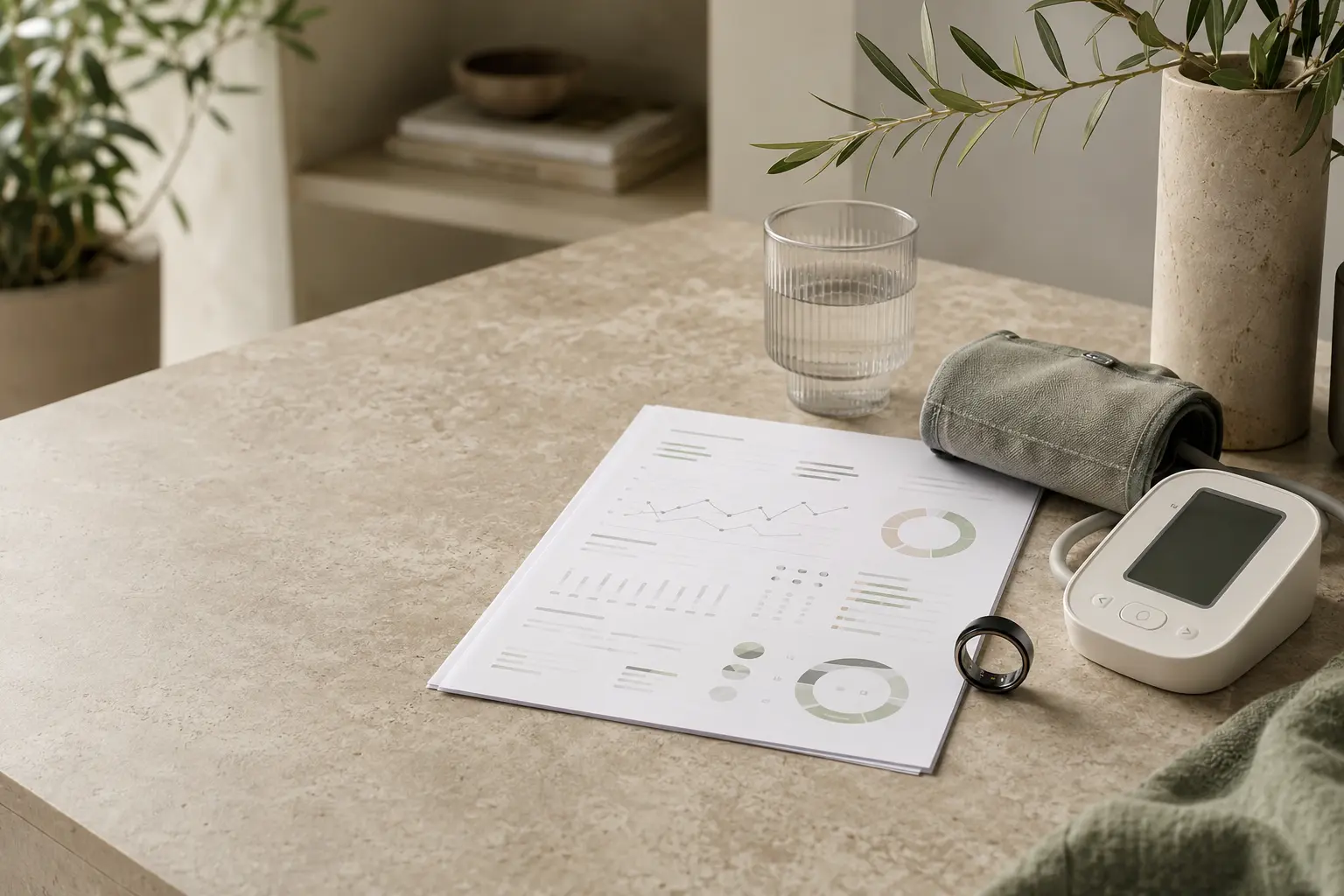
Oxygen and symptom assessment
Persistent breathlessness deserves evaluation.
Full details, serving & safety →Spirometry
Measures airflow when lung disease is suspected.
Full details, serving & safety →Sleep-apnea testing
Important with snoring, gasping or daytime sleepiness.
Full details, serving & safety →TESTING LAB / FOR THIS GOAL
Tests that can change the plan.
These are the most relevant decision guides for breathing & lungs. Each opens a full passport with who it fits, preparation, limitations, sex and life-stage context, cadence, next steps and direct scientific sources.VO₂ max + cardiopulmonary exercise testing
Measure integrated aerobic capacity and turn the result into training zones—or a clinical explanation.
Standard of careHome sleep apnea test
A convenient diagnostic pathway for the right adult—not a general sleep-quality test.
Standard of careIn-lab polysomnography
The full overnight diagnostic standard for complex sleep questions.
FOUNDATIONS
Start with what works

Avoid smoke and vaping
The most consequential respiratory intervention.
Full details, serving & safety →Aerobic conditioning
Improves efficiency and tolerance.
Full details, serving & safety →Ventilation and filtration
Reduce particulate and infectious exposure.
Full details, serving & safety →TARGETED SUPPORT
Supplements worth understanding

N-acetylcysteine
Used in defined respiratory contexts; not a universal lung detox.
Full details, serving & safety →Vitamin D
Correct deficiency; do not megadose for immunity.
Full details, serving & safety →Omega-3s
General cardiometabolic support; respiratory benefits vary.
Full details, serving & safety →WITH A QUALIFIED CLINICIAN
Medications & clinical options

Inhaled medications
Essential for many asthma and COPD patients.
Full details, serving & safety →Pulmonary rehabilitation
Combines exercise, education and breathing training.
Full details, serving & safety →CPAP and sleep therapies
Treat sleep-related airway obstruction.
Full details, serving & safety →LOW-FRICTION ACTIONS
What you can do at home

Nasal breathing when comfortable
Supports humidification and may slow breathing.
Full details, serving & safety →HEPA filtration
Useful for indoor particles and allergens.
Full details, serving & safety →Pursed-lip breathing
Can help control breathlessness in select conditions.
Full details, serving & safety →BUILD CAPACITY
Movement, mobility & stretches

Diaphragmatic breathing
Practice gently without forcing large breaths.
Full details, serving & safety →Inspiratory muscle training
Can improve respiratory muscle performance.
Full details, serving & safety →Progressive aerobic work
Build minutes before intensity.
Full details, serving & safety →07 / GEAR WORTH CONSIDERING
Tools for this goal—only where they fit.
These are not required. Each link opens a full evidence review, protocol, buying specification list, safety screen and transparent product shortlist.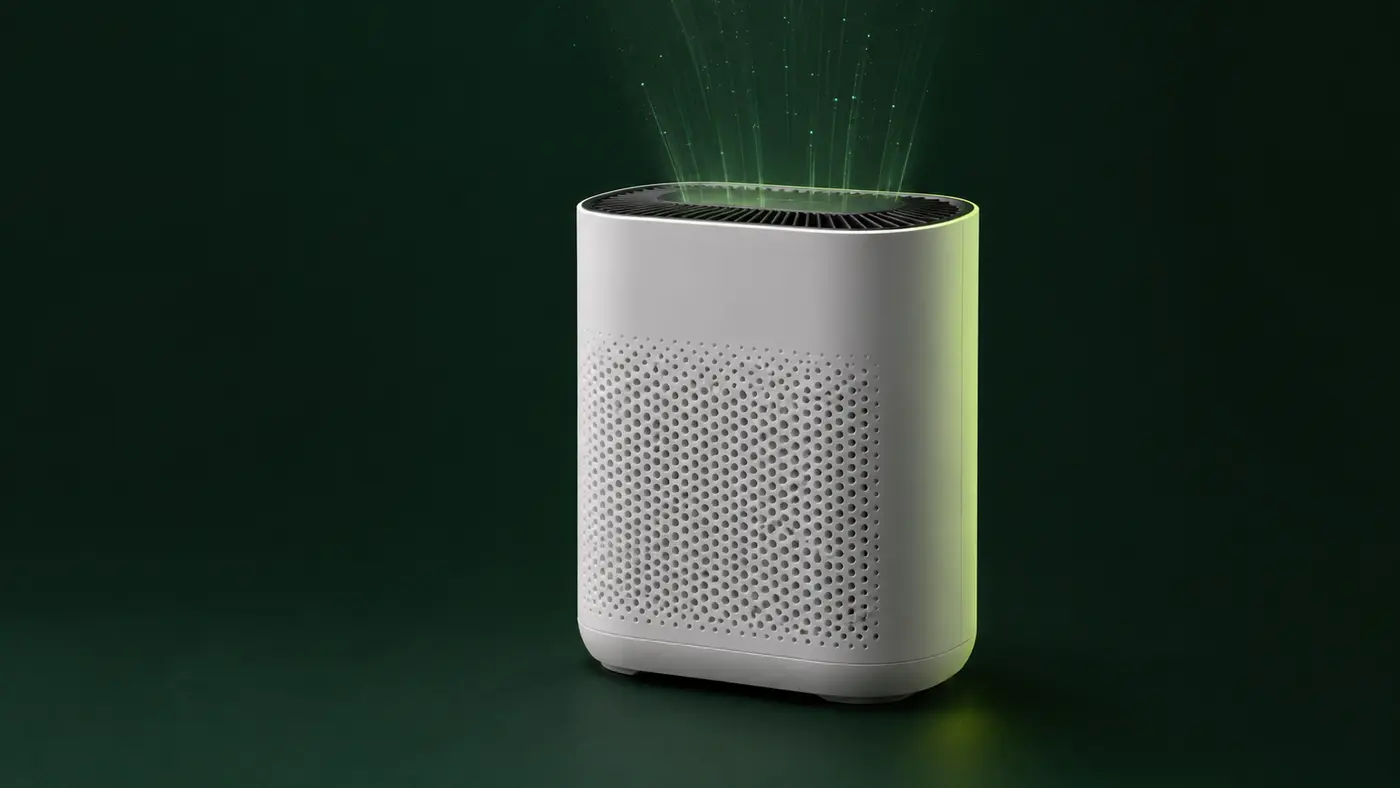
Air purification
Size by clean-air delivery—not room-size theater.
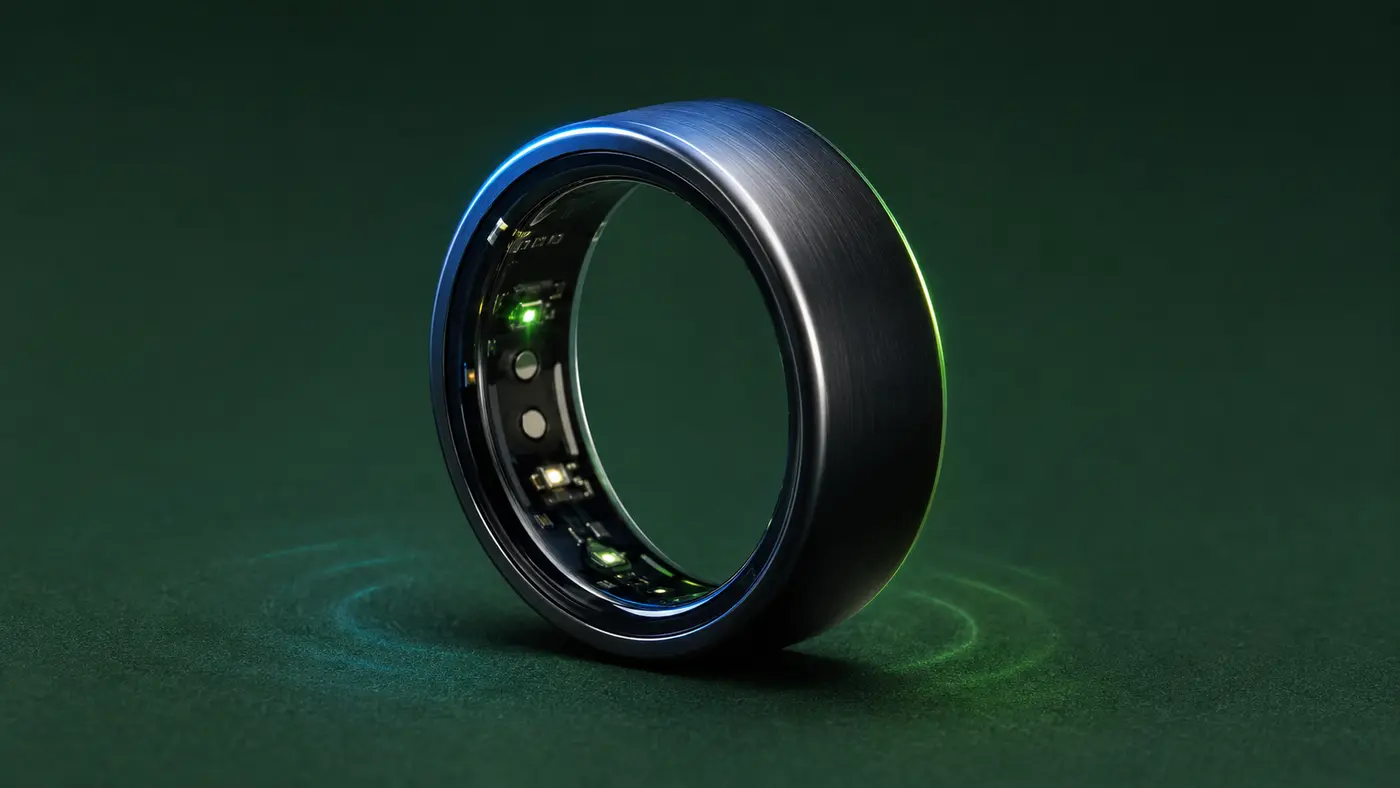
Sleep wearables
Trust trends. Distrust a single sleep-stage score.
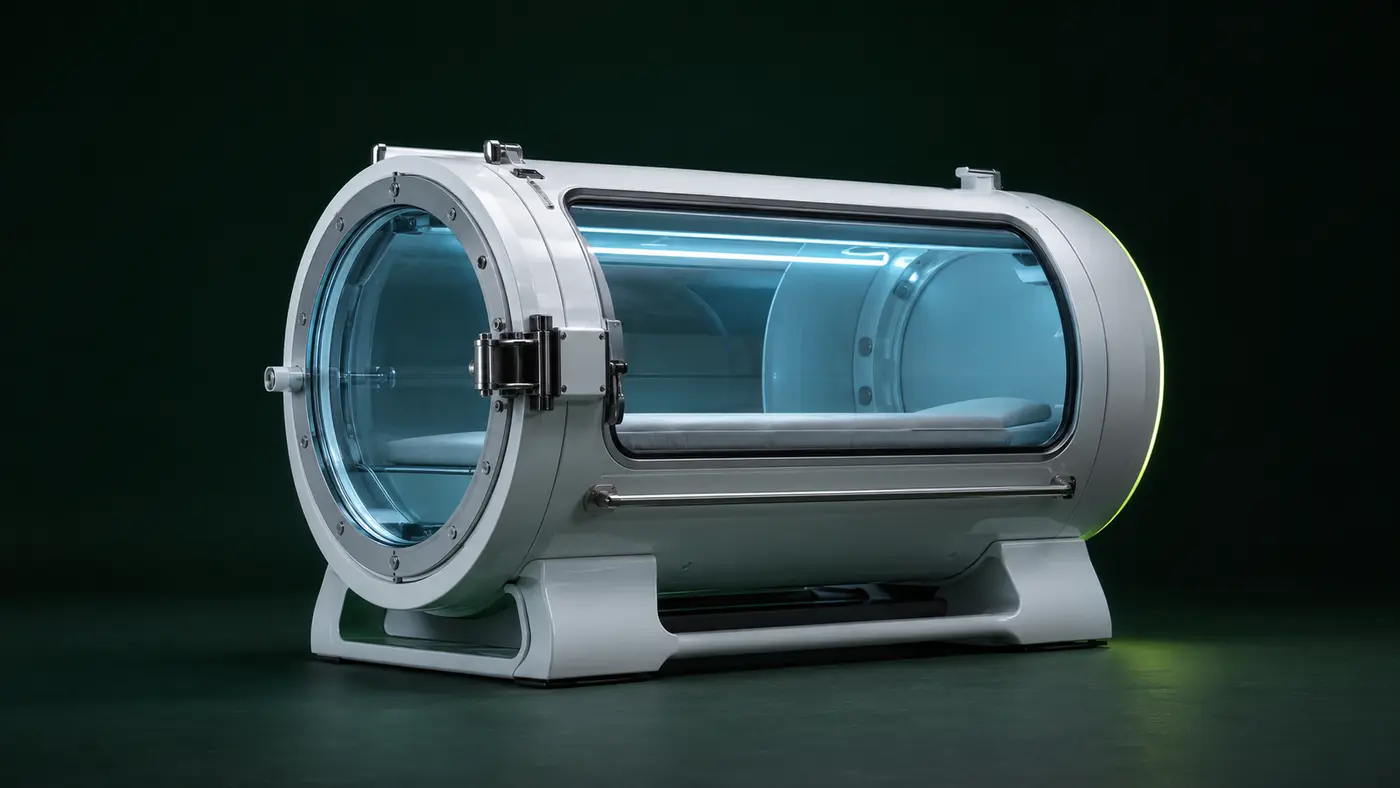
Hyperbaric oxygen
A medical treatment—not a home wellness chamber.
08 / SCIENTIFIC FOUNDATION
Research behind the roadmap.
We prioritize systematic reviews, meta-analyses, major randomized trials and recognized clinical guidelines. Every source links directly to the original scientific record.Pulmonary Rehabilitation for Adults With Chronic Respiratory Disease
Provides evidence-based recommendations supporting pulmonary rehabilitation for selected chronic respiratory diseases.
View original research ↗ERS/ATS Standard for Interpreting Lung Function Tests
Establishes evidence-based interpretation principles for spirometry and other routine lung-function tests.
View original research ↗A citation supports only the specific conclusion described above—not every possible use of an intervention. Evidence is reviewed and updated as stronger research becomes available.
BEFORE YOU EXPERIMENT
Use context, not hype.
- Sudden or severe breathlessness, blue lips, chest pain or low oxygen is urgent.
- Aggressive breath holds can cause fainting; never practice in water or while driving.
THE MODERN BIO BRIEF