
PRACTICAL GUIDE · EVIDENCE GRADED
Gut Health
Improve digestion through patterns, not microbiome hype.
Gut symptoms can come from diet, motility, stress, medication, infection or disease. Start with fundamentals and use restrictive diets or testing only when they answer a clear question.
HOW TO USE THIS PAGE
Use this gut health guide in three passes.
- 01Check the baseline
Start with the signals and tests most likely to change the plan.
- 02Choose the lowest-friction action
Work through foundations before adding supplements, devices or clinical options.
- 03Set a review point
Decide what success means, how long to test and when to stop or escalate.
TESTING & SIGNALS
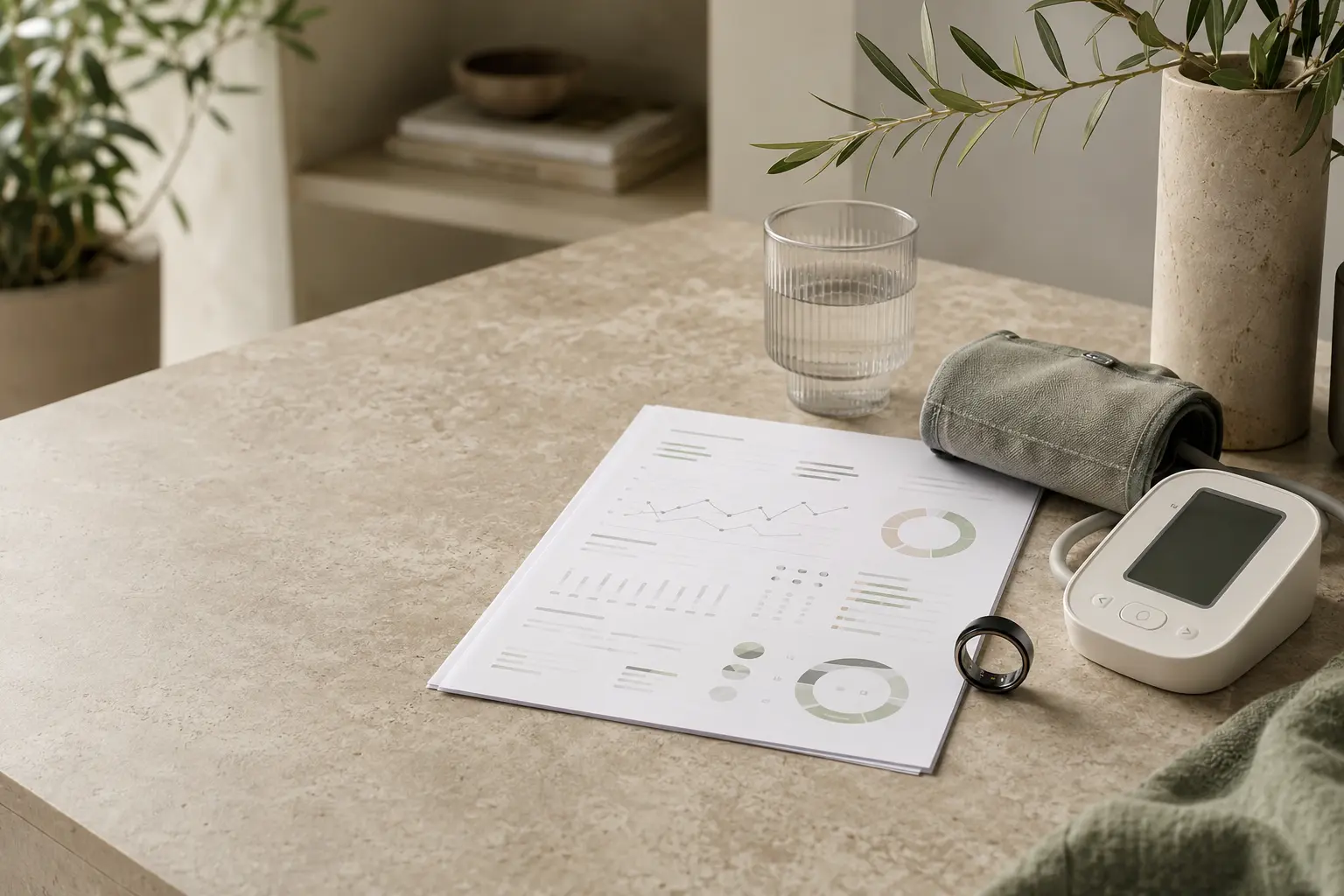
Know your baseline
Symptom and food diary
Look for patterns without blaming every food.
Full details, serving & safety →Basic labs and celiac screening
Appropriate for persistent symptoms.
Full details, serving & safety →Targeted stool or breath testing
Useful only for specific clinical questions.
Full details, serving & safety →TESTING LAB / FOR THIS GOAL
Tests that can change the plan.
These are the most relevant decision guides for gut health. Each opens a full passport with who it fits, preparation, limitations, sex and life-stage context, cadence, next steps and direct scientific sources.Symptom-directed GI testing
Choose the test from the symptom pattern: celiac, H. pylori, inflammation, infection or malabsorption.
Standard of careAllergy skin testing + specific IgE
Test a credible history—not hundreds of foods without symptoms.
EmergingConsumer microbiome testing
Interesting ecology, limited clinical decision power.
FOUNDATIONS
Start with what works

Diverse plant fiber
Increase gradually to tolerance.
Full details, serving & safety →Regular meals, movement and hydration
Supports motility and consistency.
Full details, serving & safety →Stress and sleep care
The gut-brain axis is bidirectional.
Full details, serving & safety →TARGETED SUPPORT
Supplements worth understanding

Psyllium
Helpful for constipation, stool form and cardiometabolic health.
Full details, serving & safety →Specific probiotic strains
Benefits are condition- and strain-specific.
Full details, serving & safety →Peppermint oil
Can help some IBS symptoms; may worsen reflux.
Full details, serving & safety →WITH A QUALIFIED CLINICIAN
Medications & clinical options

Condition-specific medication
IBS, reflux and inflammatory disease require different approaches.
Full details, serving & safety →Pelvic-floor therapy
Useful for some defecatory disorders.
Full details, serving & safety →Dietitian-guided low-FODMAP trial
Short-term tool with structured reintroduction.
Full details, serving & safety →LOW-FRICTION ACTIONS
What you can do at home

Eat slowly and chew thoroughly
Reduces swallowed air and helps meal awareness.
Full details, serving & safety →Try fermented foods gradually
Choose tolerable portions and monitor response.
Full details, serving & safety →Use a footstool for bowel movements
May improve positioning and reduce straining.
Full details, serving & safety →BUILD CAPACITY
Movement, mobility & stretches

Ten-minute post-meal walk
Supports motility and glucose.
Full details, serving & safety →Gentle trunk rotation
Can feel helpful for bloating without forcing range.
Full details, serving & safety →Diaphragmatic breathing
May reduce gut-related tension and autonomic arousal.
Full details, serving & safety →07 / GEAR WORTH CONSIDERING
Tools for this goal—only where they fit.
These are not required. Each link opens a full evidence review, protocol, buying specification list, safety screen and transparent product shortlist.
CGMs
Run a question-driven experiment—not permanent food surveillance.

Sleep wearables
Trust trends. Distrust a single sleep-stage score.
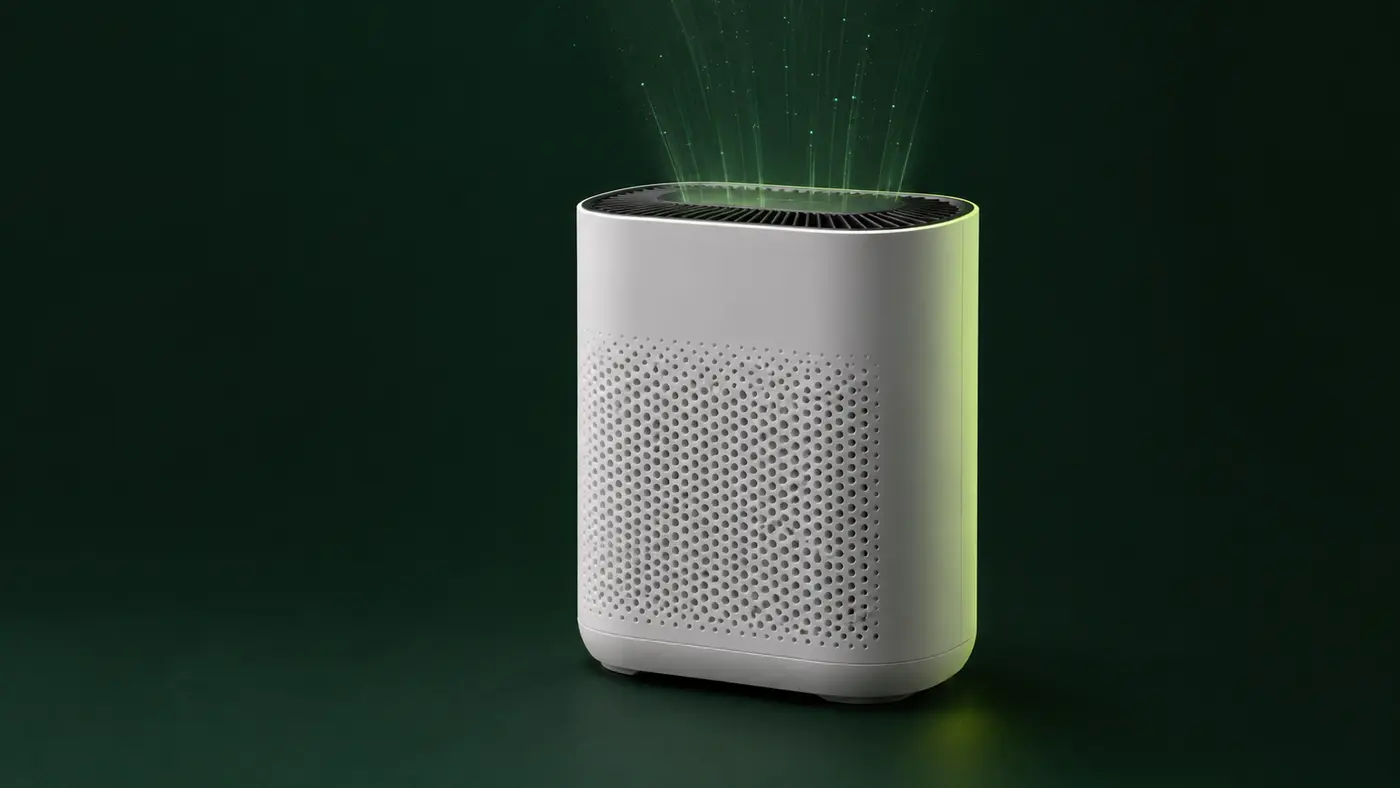
Air purification
Size by clean-air delivery—not room-size theater.
08 / SCIENTIFIC FOUNDATION
Research behind the roadmap.
We prioritize systematic reviews, meta-analyses, major randomized trials and recognized clinical guidelines. Every source links directly to the original scientific record.ACG Clinical Guideline: Management of Irritable Bowel Syndrome
Grades evidence for diet, fiber, medications and gut-directed therapies while warning against low-value testing and one-size-fits-all treatment.
View original research ↗Effects of Lifestyle and Diet on Gut Microbiota Diversity
Summarizes evidence connecting dietary pattern, physical activity and lifestyle exposures with microbiome composition and host health.
View original research ↗A citation supports only the specific conclusion described above—not every possible use of an intervention. Evidence is reviewed and updated as stronger research becomes available.
BEFORE YOU EXPERIMENT
Use context, not hype.
- Blood in stool, black stool, persistent vomiting, fever, anemia, unintentional loss or severe pain requires medical care.
- Long elimination diets can create deficiencies and food fear.
THE MODERN BIO BRIEF