PRACTICAL GUIDE · EVIDENCE GRADED
Sleep
Make deep, consistent recovery the foundation of everything else.
Sleep quality depends on timing, opportunity, environment, breathing and behavior. Supplements are secondary to circadian consistency and identifying medical sleep disorders.
HOW TO USE THIS PAGE
Use this sleep guide in three passes.
- 01Check the baseline
Start with the signals and tests most likely to change the plan.
- 02Choose the lowest-friction action
Work through foundations before adding supplements, devices or clinical options.
- 03Set a review point
Decide what success means, how long to test and when to stop or escalate.
TESTING & SIGNALS
Know your baseline
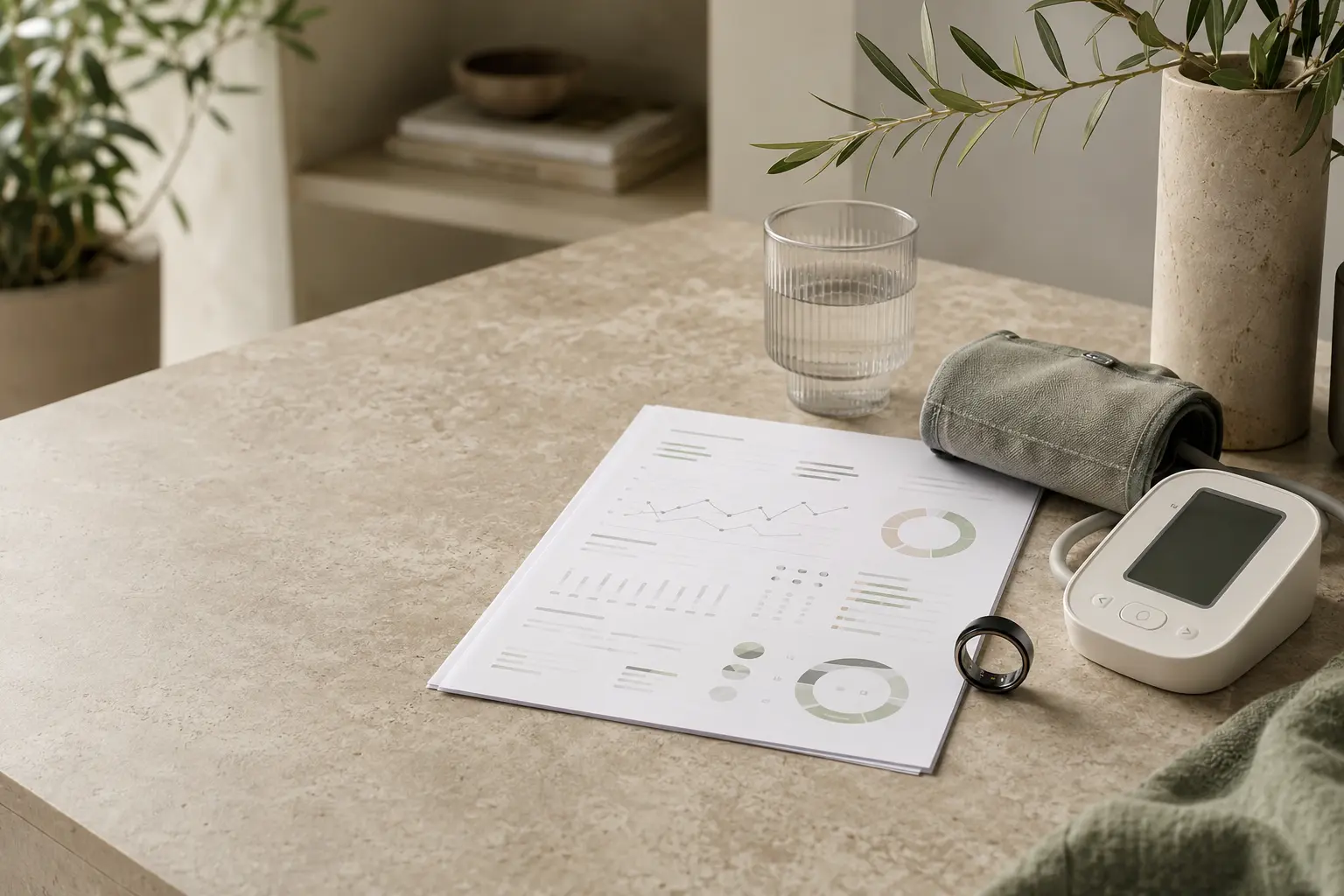
Sleep diary
Track timing, awakenings, caffeine and perceived recovery.
Full details, serving & safety →Apnea screening
Snoring, gasping and daytime sleepiness deserve assessment.
Full details, serving & safety →Wearable trends
Useful for patterns, not diagnosis.
Full details, serving & safety →TESTING LAB / FOR THIS GOAL
Tests that can change the plan.
These are the most relevant decision guides for sleep. Each opens a full passport with who it fits, preparation, limitations, sex and life-stage context, cadence, next steps and direct scientific sources.Home sleep apnea test
A convenient diagnostic pathway for the right adult—not a general sleep-quality test.
Standard of careIn-lab polysomnography
The full overnight diagnostic standard for complex sleep questions.
Standard of careThyroid testing
Start with the thyroid feedback loop; expand only when symptoms and results justify it.
FOUNDATIONS
Start with what works

Fixed wake time
The strongest anchor for a consistent rhythm.
Full details, serving & safety →Morning light and evening dimness
Aligns circadian timing.
Full details, serving & safety →Cool, dark, quiet room
Optimize the sleep environment.
Full details, serving & safety →TARGETED SUPPORT
Supplements worth understanding

Magnesium
May help when deficient; evidence for insomnia is mixed.
Full details, serving & safety →Melatonin
Best for circadian timing, travel and select cases—not a universal sedative.
Full details, serving & safety →Glycine
Early evidence for subjective sleep quality.
Full details, serving & safety →WITH A QUALIFIED CLINICIAN
Medications & clinical options

CBT-I
First-line treatment for chronic insomnia.
Full details, serving & safety →CPAP or apnea therapy
Treats a major source of fragmented sleep.
Full details, serving & safety →Prescription sleep medication
Can have a role after individualized risk review.
Full details, serving & safety →LOW-FRICTION ACTIONS
What you can do at home

Caffeine cutoff
Aim roughly 8–10 hours before bed.
Full details, serving & safety →Wind-down ritual
Repeat the same low-stimulation sequence nightly.
Full details, serving & safety →Brain dump
Write tomorrow's tasks before bed to reduce rumination.
Full details, serving & safety →BUILD CAPACITY
Movement, mobility & stretches

Daytime exercise
Regular training improves sleep; timing is individual.
Full details, serving & safety →Gentle evening mobility
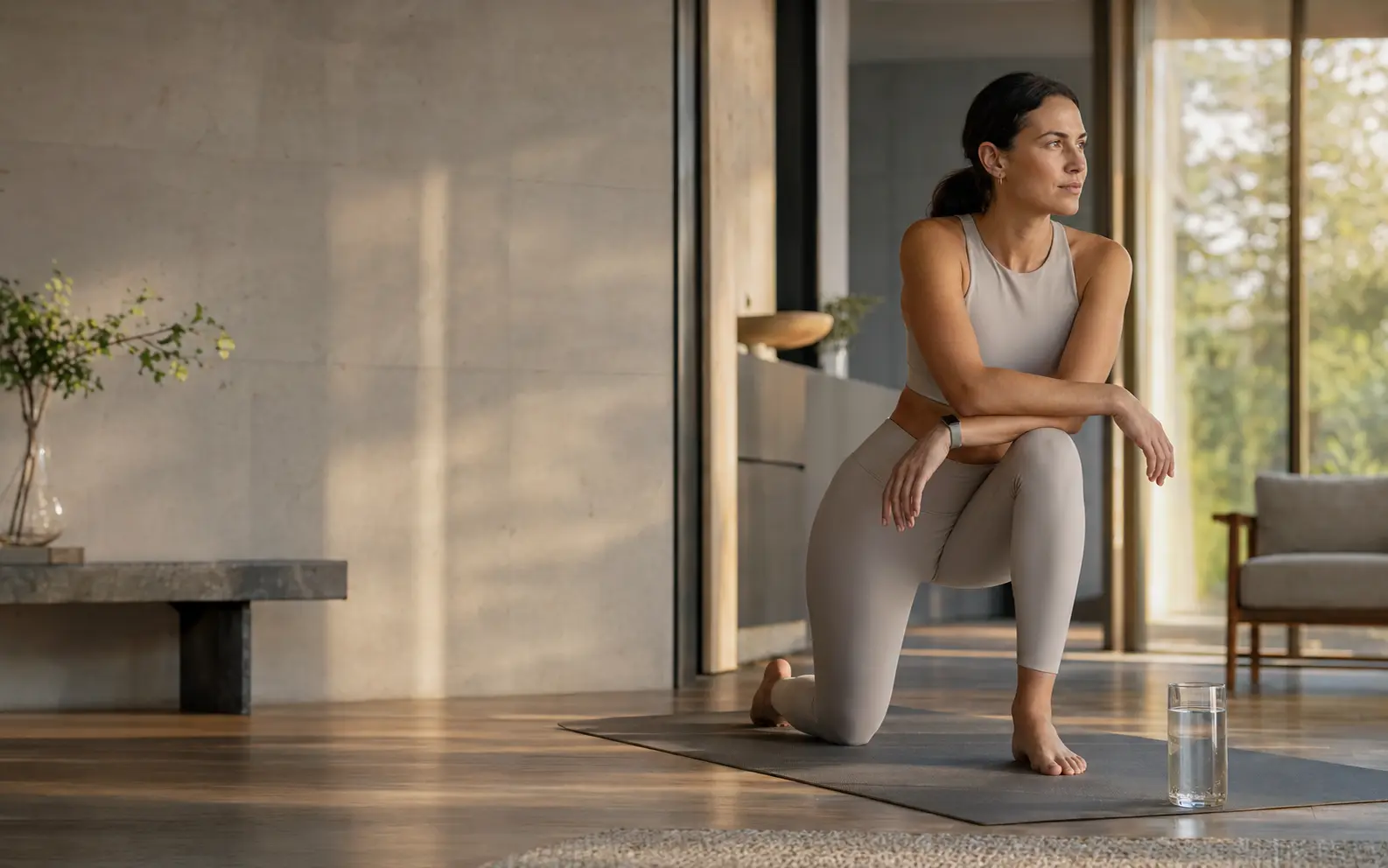
Slow neck, hips and hamstring work can downshift arousal.
Full details, serving & safety →Physiological sighs
Longer exhales may reduce acute tension.
Full details, serving & safety →07 / GEAR WORTH CONSIDERING
Tools for this goal—only where they fit.
These are not required. Each link opens a full evidence review, protocol, buying specification list, safety screen and transparent product shortlist.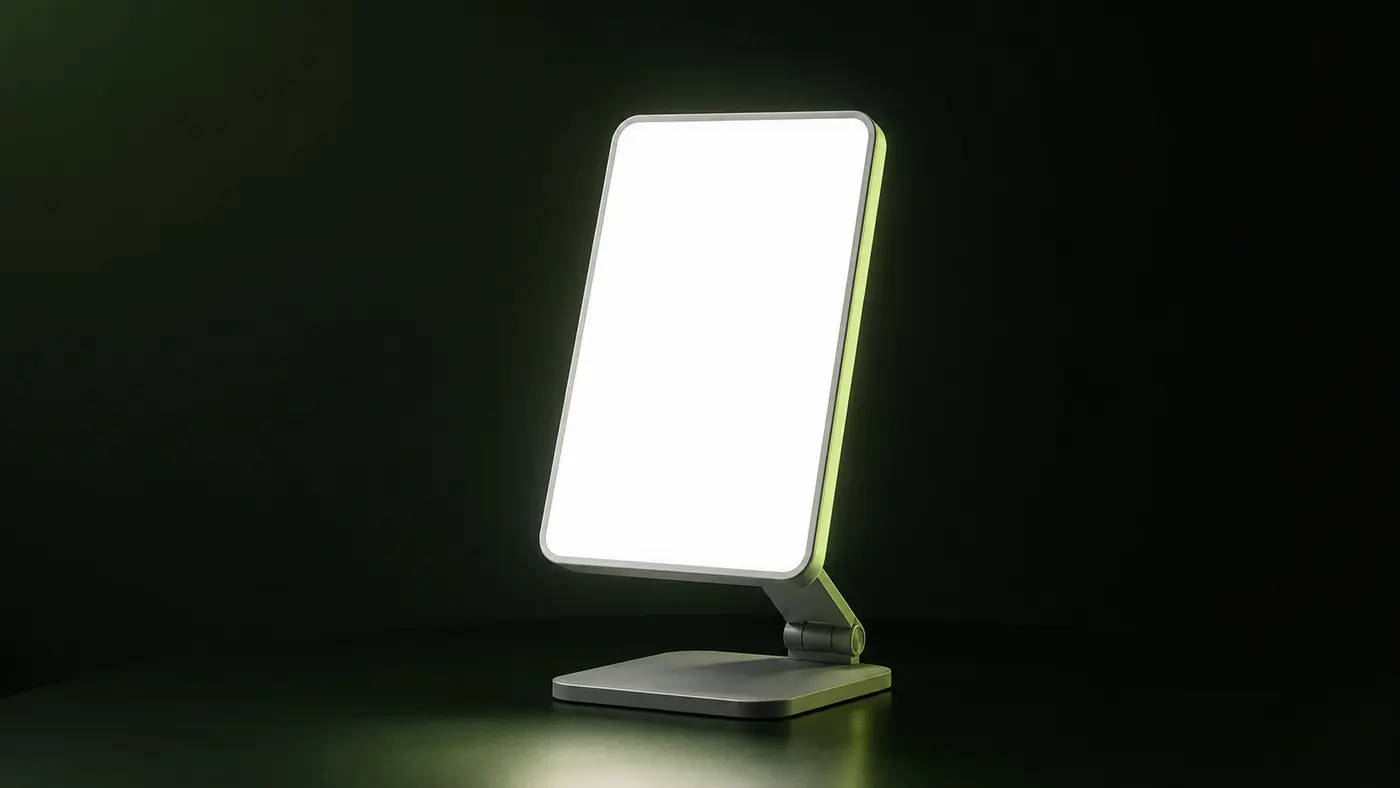
Bright light
The useful number is lux at your actual sitting distance.
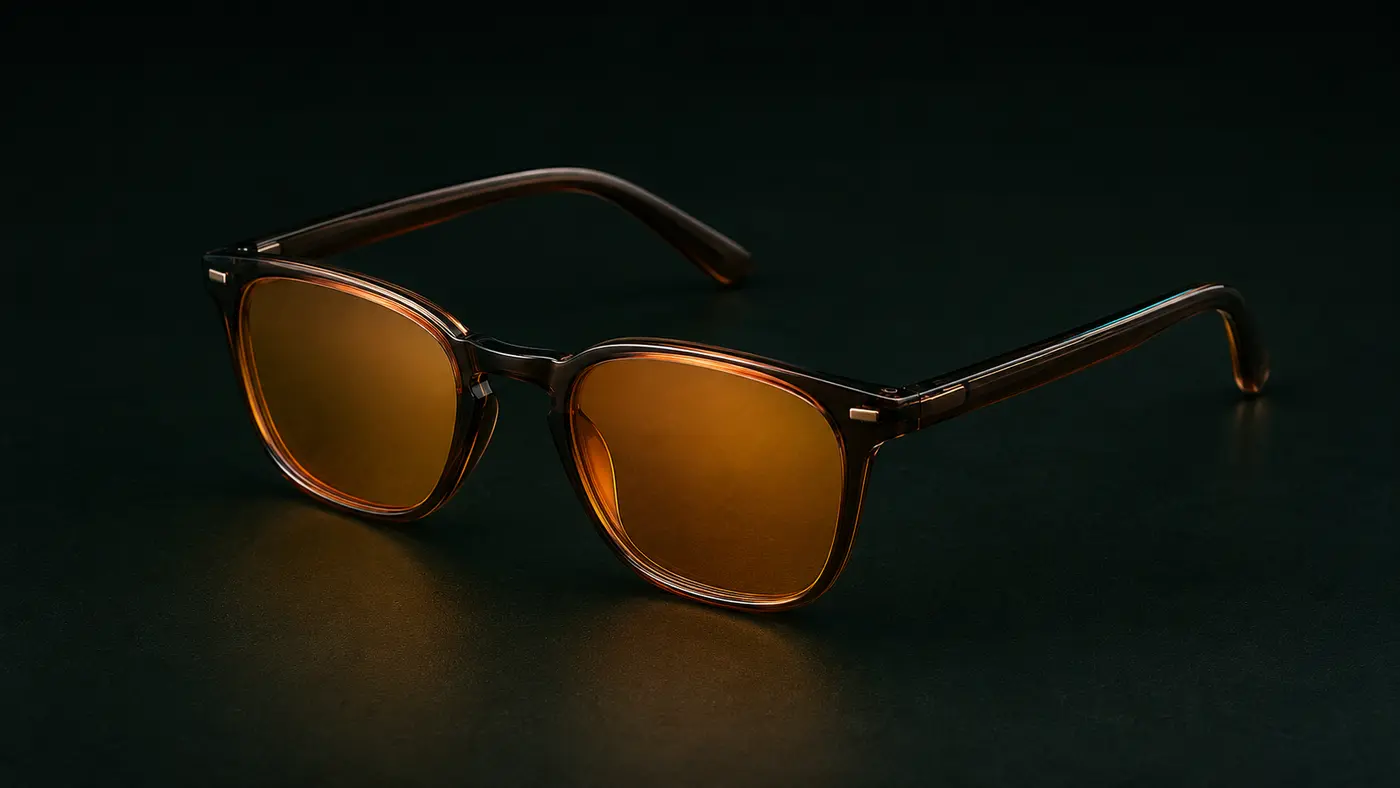
Blue-light glasses
A circadian tool—not digital armor for your eyes.
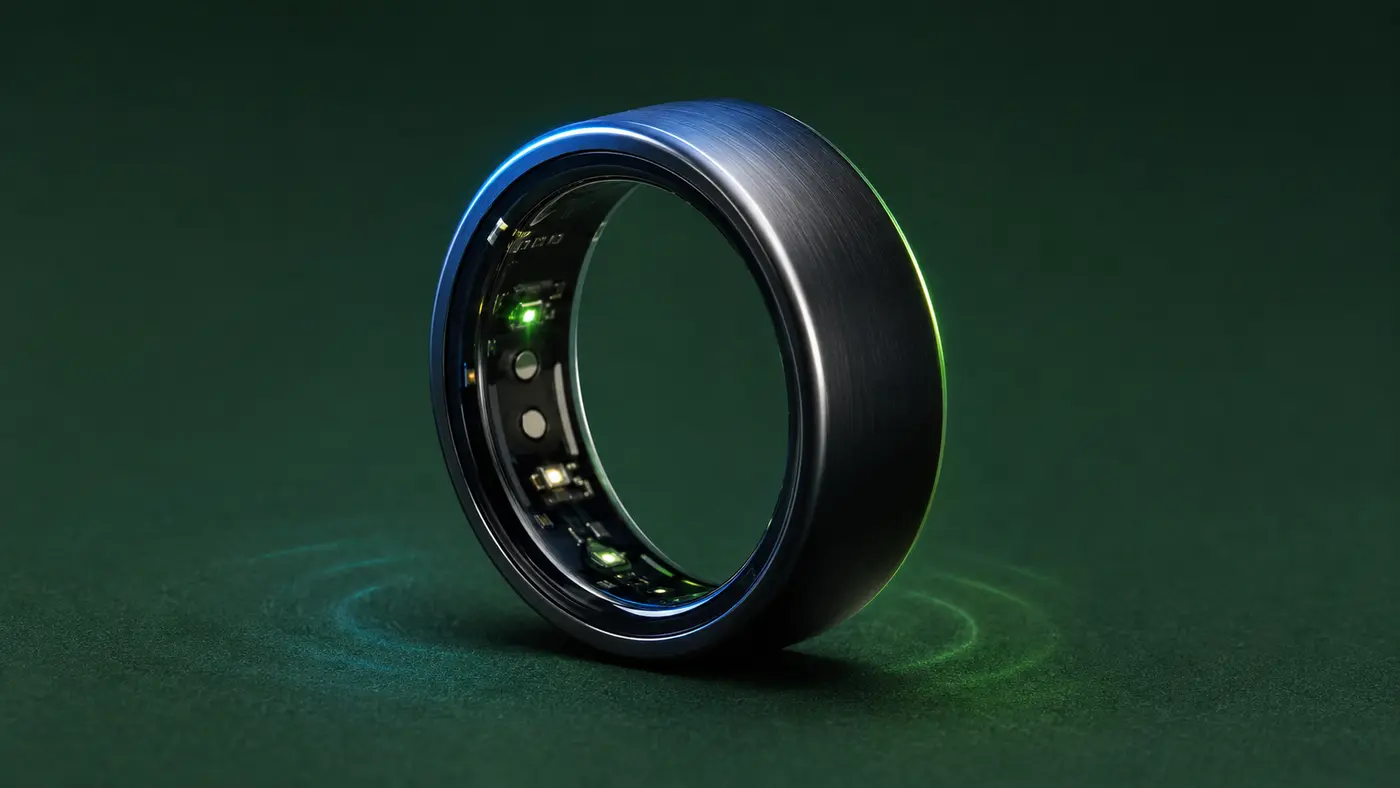
Sleep wearables
Trust trends. Distrust a single sleep-stage score.
08 / SCIENTIFIC FOUNDATION
Research behind the roadmap.
We prioritize systematic reviews, meta-analyses, major randomized trials and recognized clinical guidelines. Every source links directly to the original scientific record.Cognitive Behavioral Therapy for Chronic Insomnia
Found clinically meaningful improvements in multiple sleep outcomes from CBT-I in adults with chronic insomnia.
View original research ↗Behavioral and Psychological Treatments for Chronic Insomnia
Provides the evidence base supporting behavioral and psychological treatments as core chronic-insomnia care.
View original research ↗A citation supports only the specific conclusion described above—not every possible use of an intervention. Evidence is reviewed and updated as stronger research becomes available.
BEFORE YOU EXPERIMENT
Use context, not hype.
- Avoid driving when dangerously sleepy.
- Alcohol and sedative combinations can suppress breathing and fragment sleep.
THE MODERN BIO BRIEF